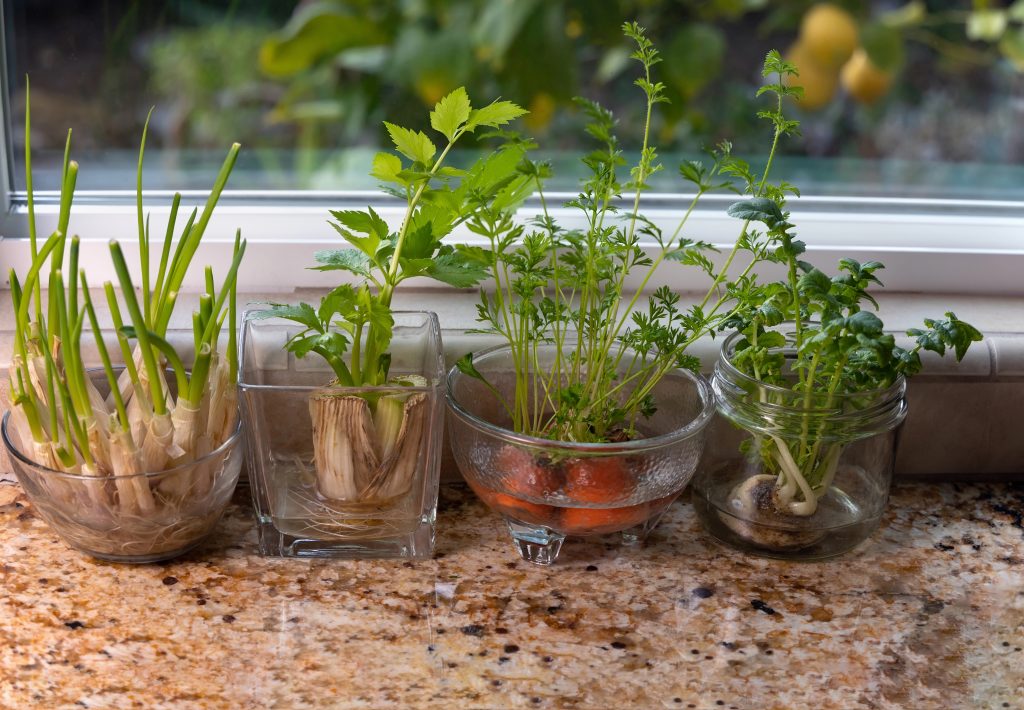
Herbs you can grow in a glass of water are the easiest way to dip your toes into growing plants indoors, right from scratch, no matter your history with houseplants and gardens.
Get going with water propagation, and you won’t need anything aside from a glass of water and your sunniest windowsill.
Tiny Cottage Garden loves easy plant second chances, and new beginnings, and growing herbs in water is all of that.
Below are 15 herbs that will grow in water, to get you inspired, and tips to make sure they succeed.
What are the reasons for Growing Herbs in Water?
Before we get to our list of easy-to-grow herbs, first, let’s learn the benefits of growing herbs in water. This method of growing herbs:
- Eliminates the need for soil.
- There’s no worry about dealing with pests that carry over from soil, like fungus gnats
- You can clearly see the root system, which is super interesting.
- Can grow new plants from readily available cuttings.
- Very forgiving. If something goes wrong, often you can refresh the water or take a new cutting.
Where is the Best Spot to Place Herbs You Can Grow in a Glass of Water Indoors
First and foremost, placement is key in the performance of herbs you can grow in a glass of water. These herbs are quite resilient in general, but they still need light and steady conditions in order to thrive.
For your water-grown herbs, the optimum location is by a window with bright, indirect light. Windows that face east are perfect as they give the plants the gentle morning sun they need while avoiding the fierce heat of the afternoon.
Windows that face south can work as well, but they should be a little further away from the glass to keep the leaves from burning in the sun.
Countertops in kitchens are often ideal since they get steady light and heat. Moreover, this is where your herbs will be used, which means they will be getting regular trims. This is good for keeping the plants in good shape.
Do not put the glasses in a dark corner, near a heating vent, or directly above an appliance that generates heat. Drafts from the window or air conditioning can be harmful to the cuttings, so try to keep that to a minimum.
In a low-light situation, the herbs will survive but will have slower growth. If the plants have pale leaves, long stems, and no new leaves appearing, then you need to move them to a brighter spot.
What You’ll Need
You don’t need any special equipment. Most of what you need is probably already in your kitchen.
- A clear glass or jar
- Clean water (Room Temperature)
- Sharp scissors or pruning shears
- Fresh herb cuttings
- A sunny windowsill or a bright counter
Change the water at intervals of 2 to 3 days to keep it fresh and oxygenated.
1. Basil
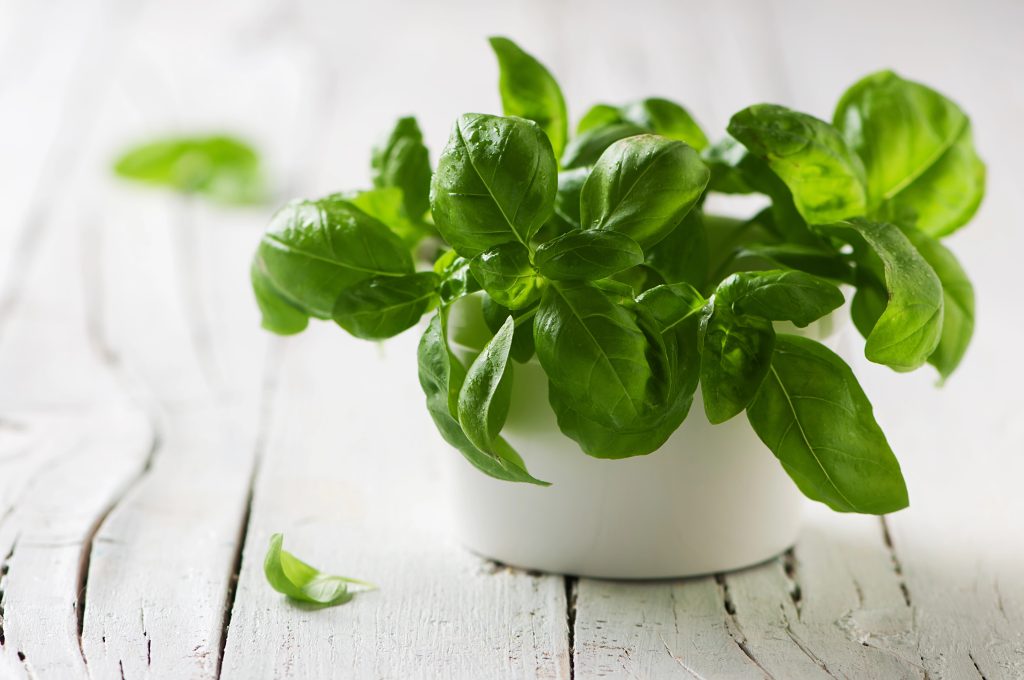
The easiest and quickest herb to grow in water is probably basil.
Here’s how to do it:
- Cut a stem of 4-6 inches just below a leaf node.
- Remove leaves from the lower half of the stem.
- Put the stem in a glass of water.
- Place it in a location that receives a lot of indirect natural light.
It generally takes a week, but if you continue to trim the top off of the basil and change the water when it gets dirty, it really can thrive in water for a good number of weeks.
2. Mint
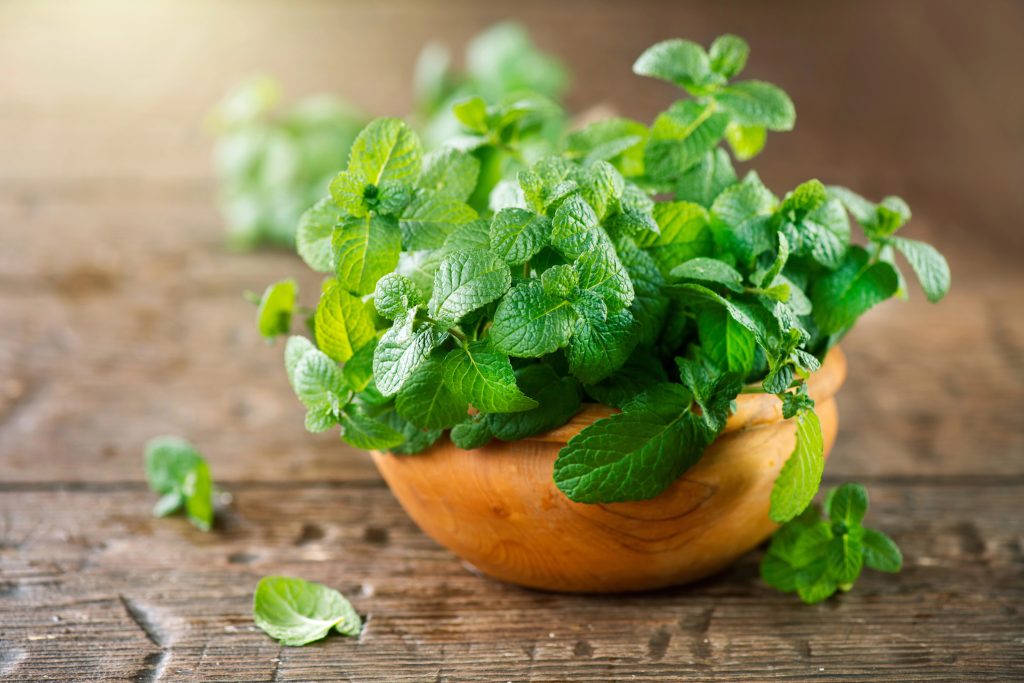
This is an aggressive plant, and that is evident with water propagation.
It is a suitable candidate because:
- It roots readily.
- It can handle low-light conditions.
- It is pretty forgiving if you miss a watering or two.
Mint grows best with partial sun. Regular trimming is required to promote bushy growth.
3. Rosemary
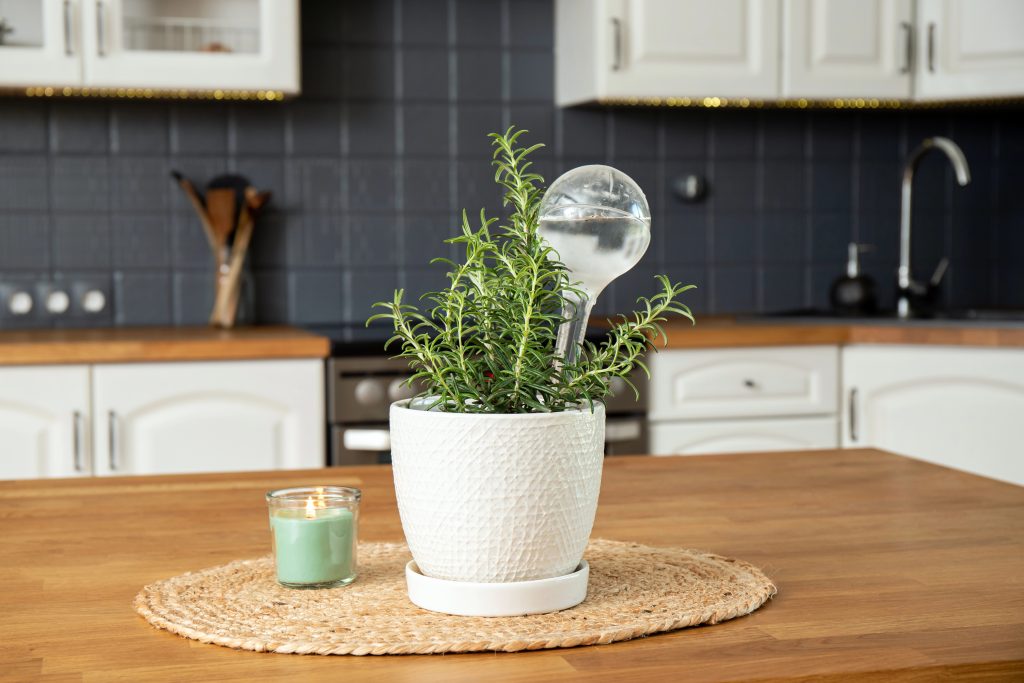
Takes its time to take root, but brings in the flavor it has promised.
First care instructions:
- Take a green softwood stem.
- Do not let it dry.
- Change water often.
- Light-yes, but not harsh sun.
Sow; expect roots after 15-20 days. Handle gently.
4. Thyme
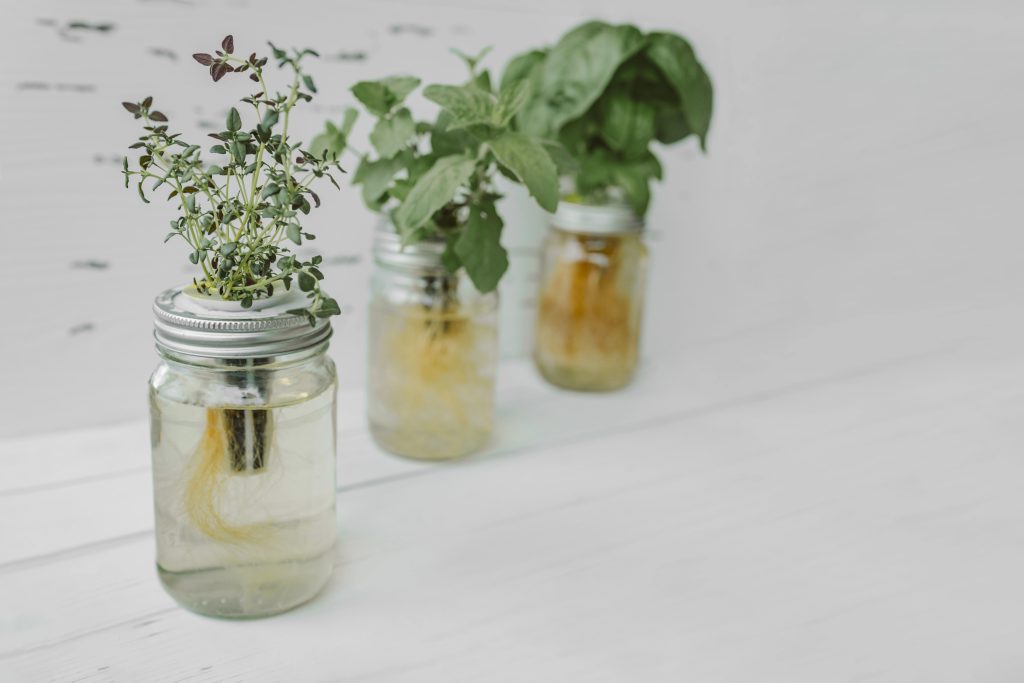
It is the perfect plant to take up little space on your windowsill, so you don’t need a big glass for it.
Here’s how you do it:
- Cut a young stem
- Low water prevents the plant from rotting.
- More brightness of light is going to help with rooting.
Avoid water stagnation, which is bad for most plants, including thyme. Add new water when necessary.
5. Oregano
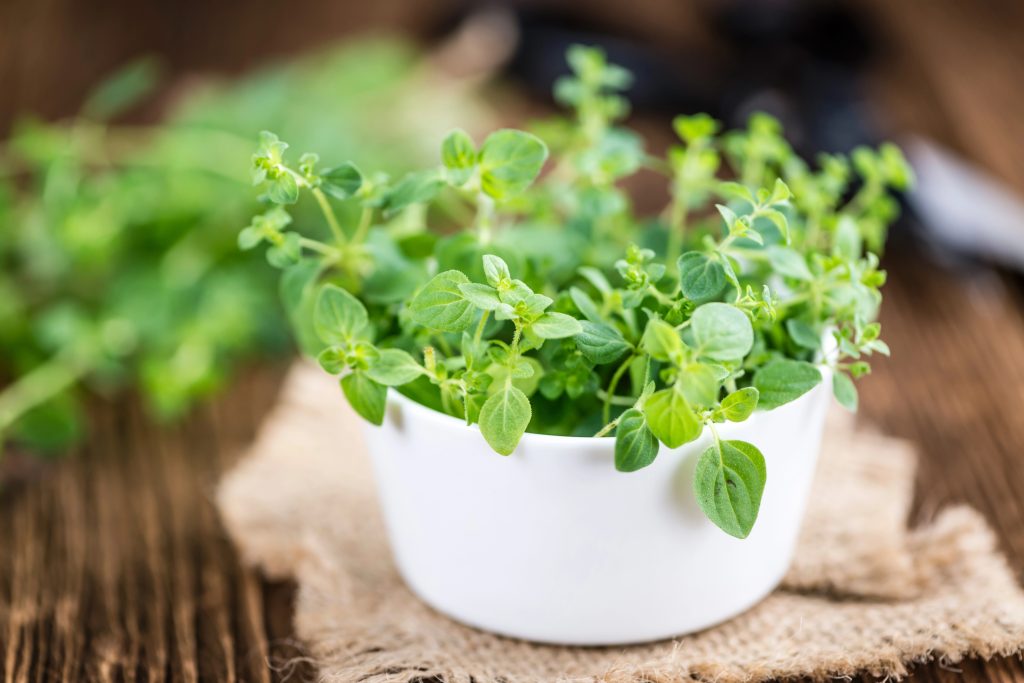
It is an easy-to-root herb that also fares well in indoor conditions.
Here’s how you can do it best:
- Trim frequently to avoid legginess.
- Keep it in bright sunlight.
- Quickly remove yellow leaves.
If you’re a frequent cook looking for a consistent supply of herbs, this is the plant for you to grow in water!
6. Sage
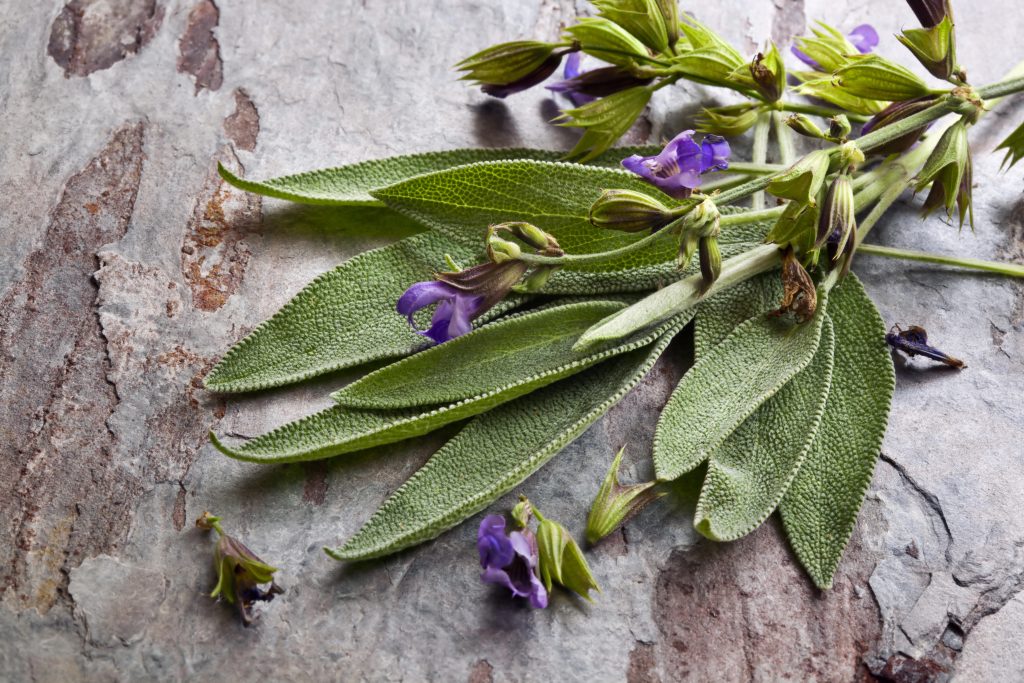
Can grow in water – but it’s a bit touch-and-go.
Here’s what you need to be careful about:
- Opt for soft new growth while rooting.
- Do not submerge the cutting deep in water.
- Keep changing the water regularly.
Sage is a slow rooter and may not survive for long in water – but it’s perfect for short stints!
7. Parsley
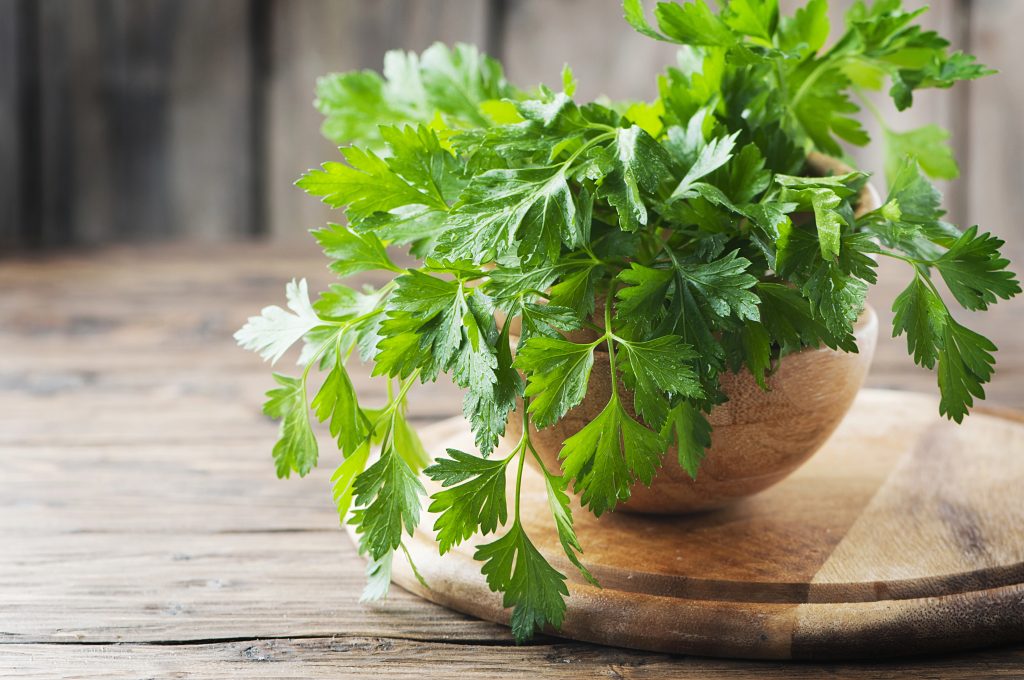
It has a root time that moves a little slower than some of these other herbs, but it is pretty steady.
Here’s how to grow:
- Start with fresh cuttings
- Put in a location with bright indirect sunlight
- May take a bit for your water source to root
Water regularly, dump out the old water, and fill with fresh water for optimal results
8. Cilantro
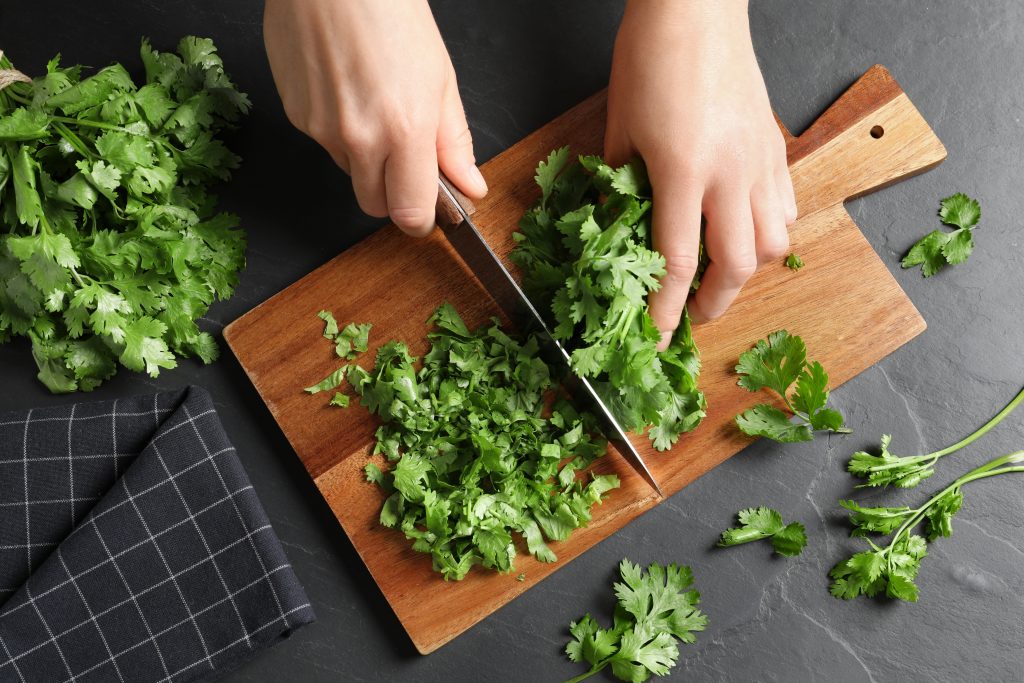
This is one of those herbs that can survive in water for a short while, making it an excellent herb to harvest.
Just remember:
- Not the longest life in water
- As long as you are willing to clip some growth off of fresh-cut stems
- Replace stems regularly
9. Lemon Balm
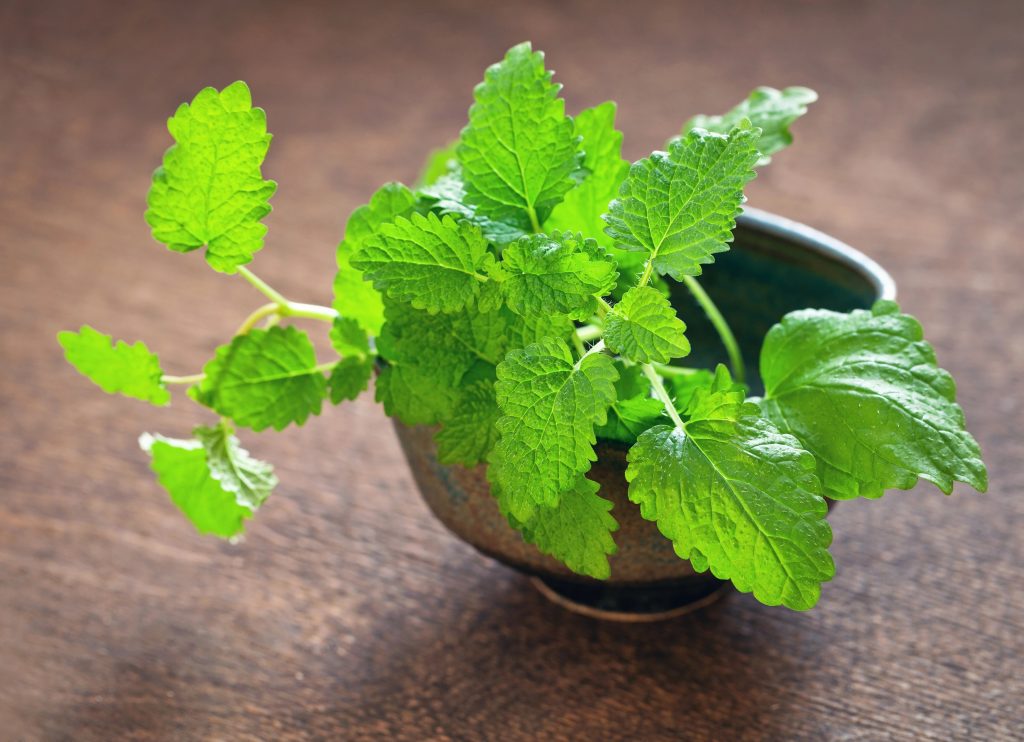
This mint family herb roots quickly and thrives in a cup of water. With leaves tasting like lemon, these beautiful-smelling plants can be regrown by placing healthy cuttings in a glass of water.
Lemon balm loves the sun, so a windowsill should suit it ideally. Plus, it makes for a relaxing tea or a sleep-time potpourri when combined with lavender and a piece of cloth.
10. Chives
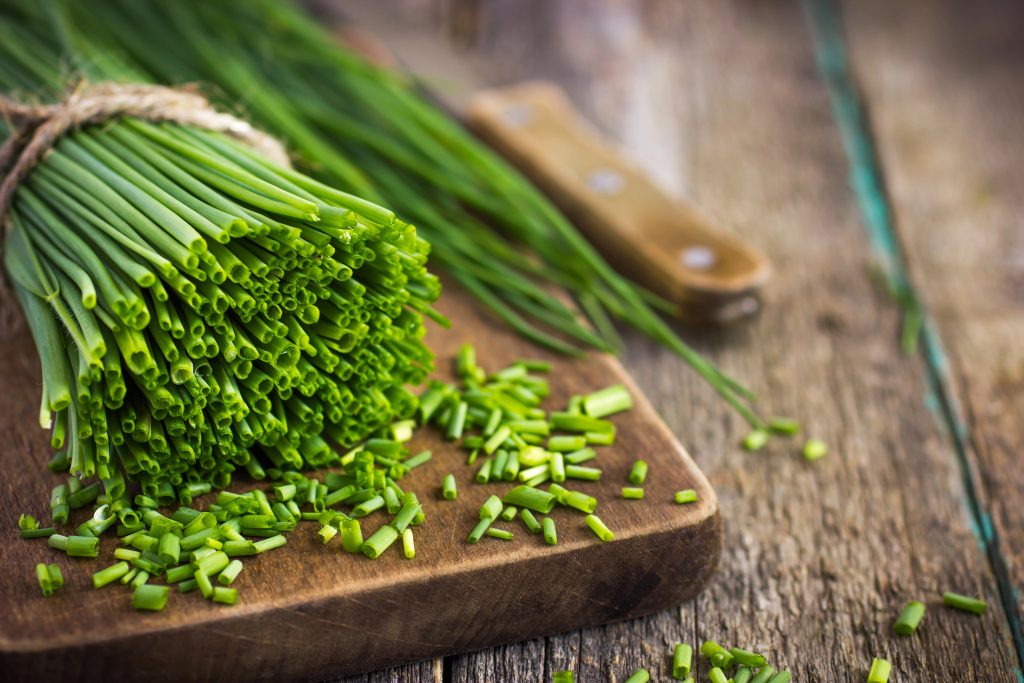
These oniony-flavored tubular leaves can also be easily regrown in a pot of water if you follow these simple steps:
Divide a clump of chives into small sections or use fresh chives with their roots intact.
Place them in a small glass or a container of water, making sure the roots are completely submerged.
Put your glass in a well-lit area, but avoid direct sunlight.
11. French Tarragon
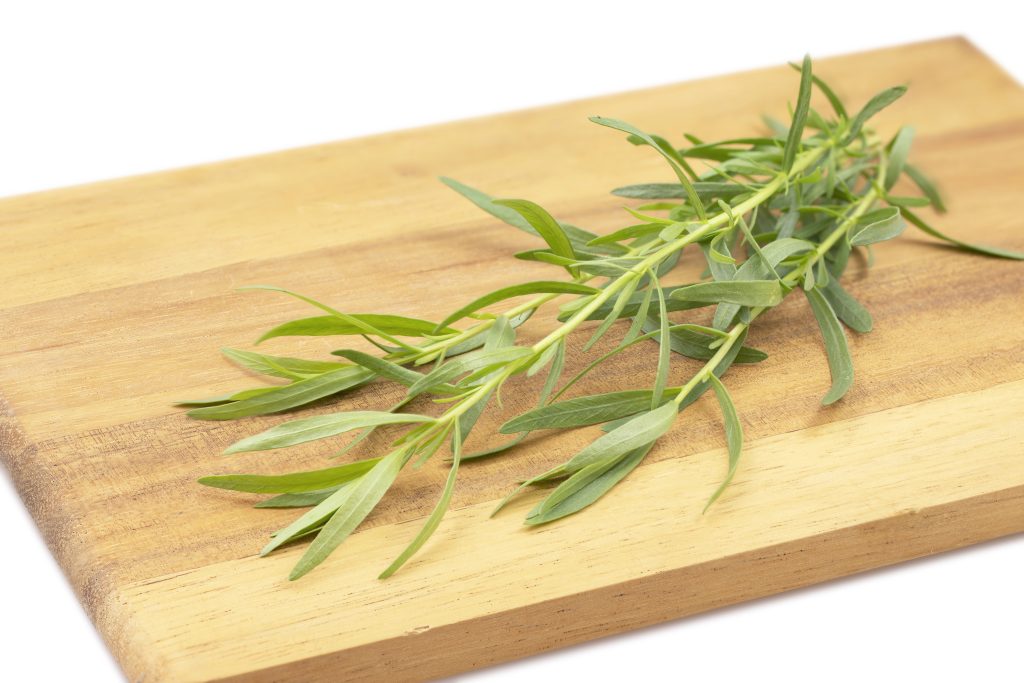
These plants also have the ability to propagate using water.
Rooting Techniques:
- If you’re going the water route, heat is a necessity.
- Put it in a warm place with plenty of indirect sunlight.
- No breezy locations.
- Change the water every 2 or 3 days.
- It may take some time for roots to develop.
They may not be visible, but the cutting is probably developing roots.
12. Marjoram
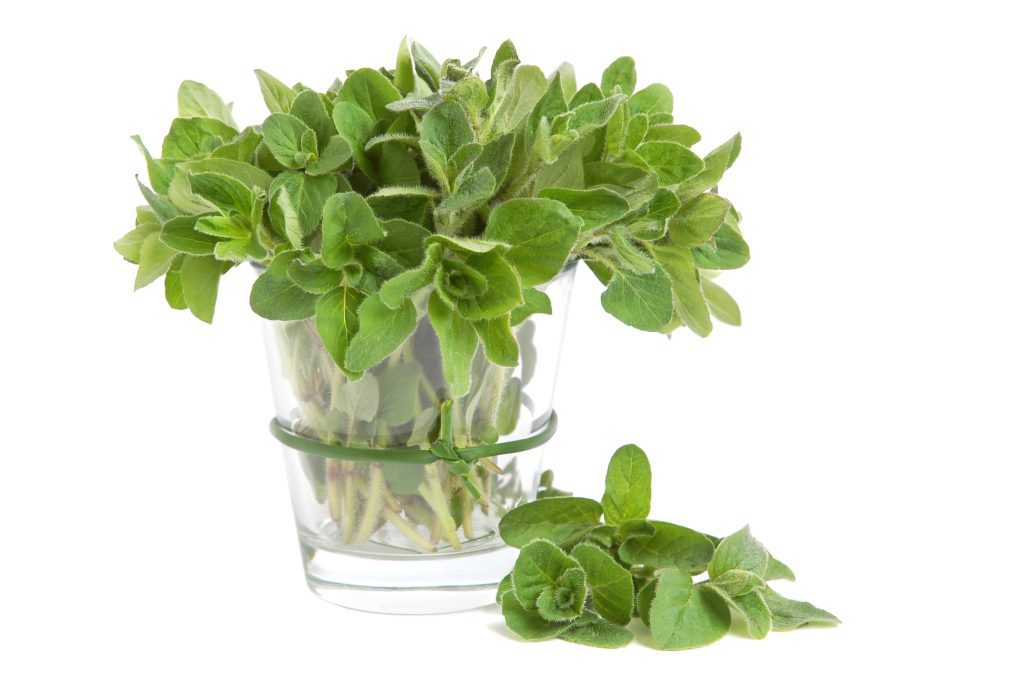
It is the light version of oregano.
Pros:
- It has a delicate stem that roots easily.
- Bushy in how it grows.
- Very adaptable to indoors.
Pinch it regularly; otherwise, the herb becomes leggy.
13. Lavender (for the short term)
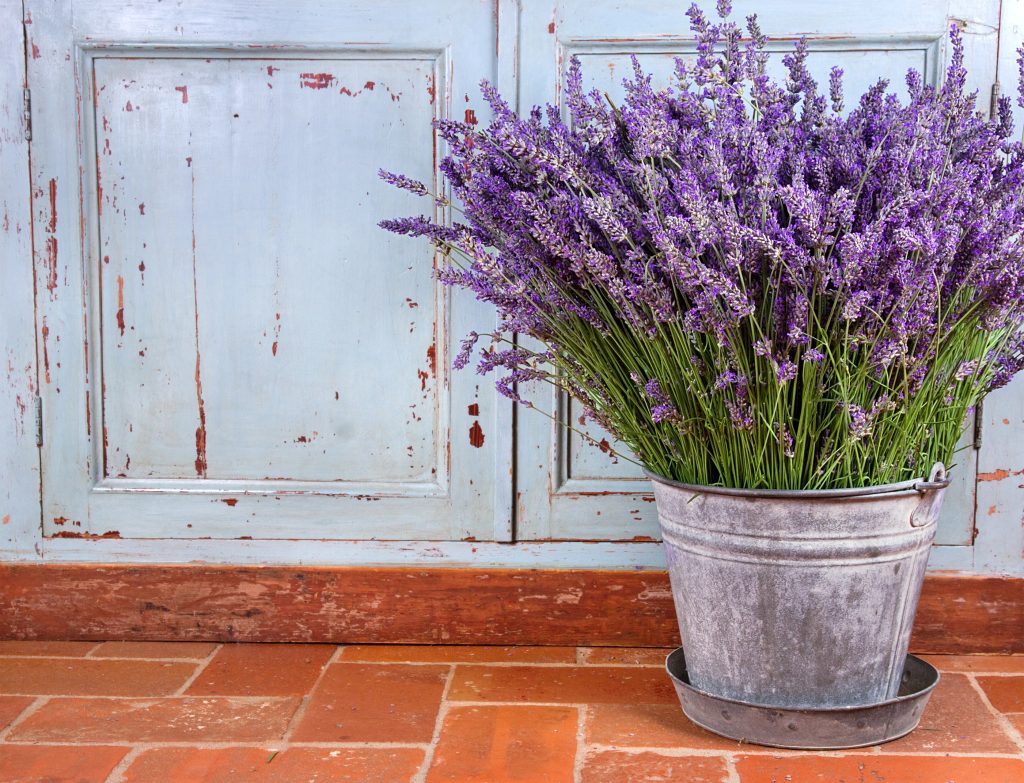
Can be propagated through water, but it’s a bit harder than the other plants on this list.
Tips:
- Use fresh cuttings
- Shallow water
- Be patient: Lavender roots slowly
While lavender can be rooted in water, it may thrive better once transferred to a soil medium.
14. Stevia
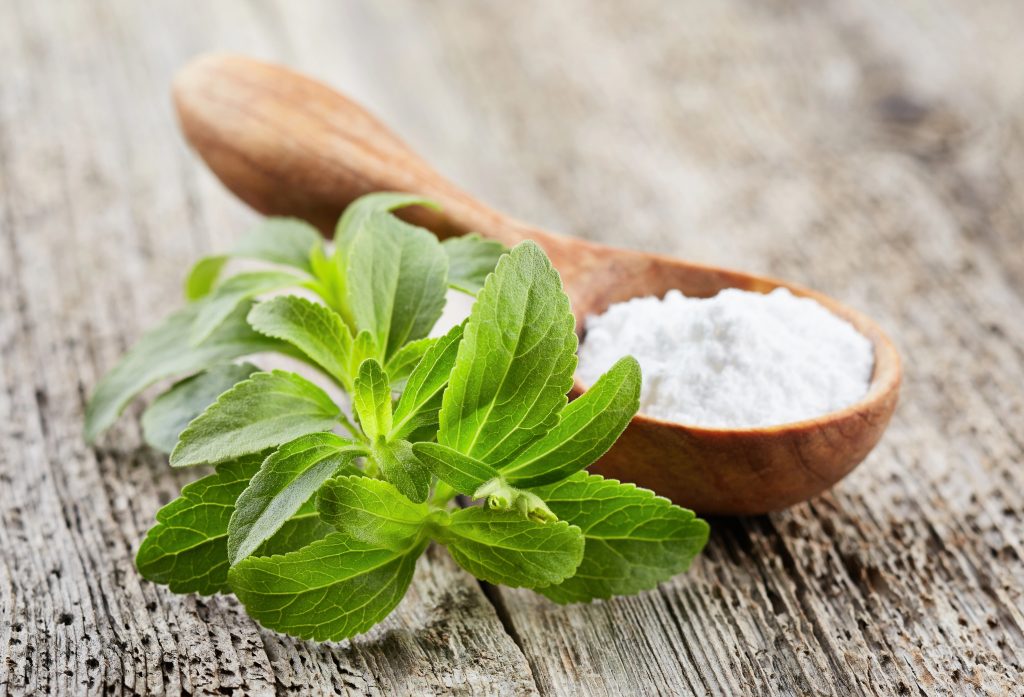
Stevia also does quite well in water.
Pros:
- Sweet, sweet leaves
- Easy to root
- Great indoor plant
Needs bright light and regular pruning.
15. Fennel (Leaf Cuttings)
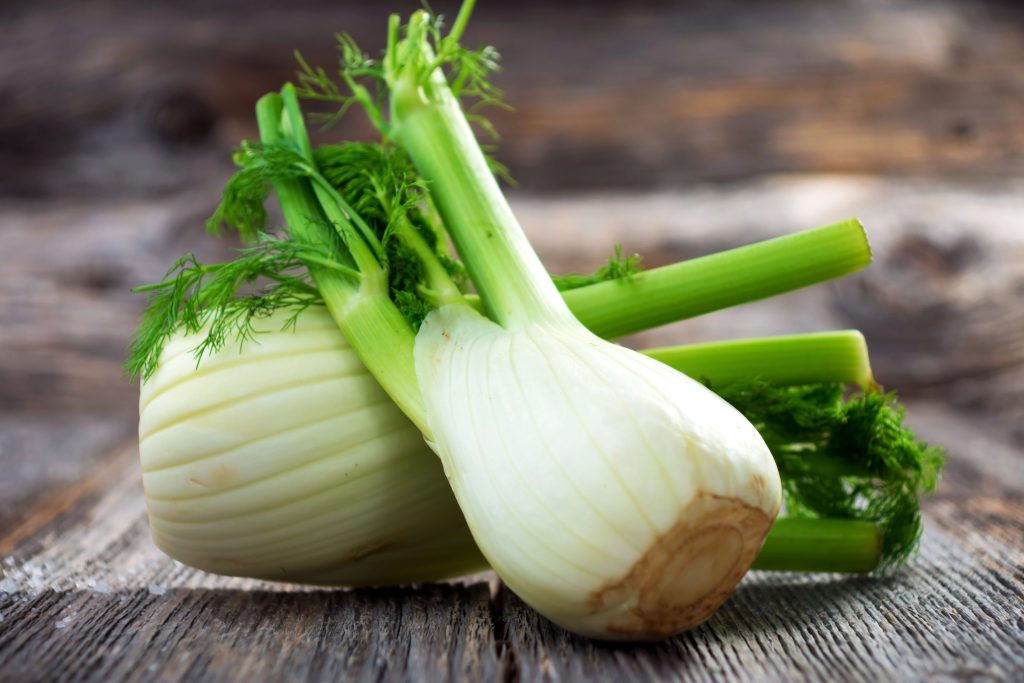
Fennel may be able grow back out of leaf bases in the short term. This method is good for experimenting with regrowth and works well for temporary use. It’s a nice, easy way to enjoy fresh fronds in your kitchen for a short while.
Here are the Top Suggestions for Success:
- Change water every 2 to 3 days
- Use clear glass jars to view roots
- Make sure leaves are above water
- Trim stems as they rot
- Avoid overcrowding
- If roots turn brown or slimy, clean roots and change the water
Can Water-Propagated Herbs be their Permanent Home?
Herbs that can be grown in a glass of water can last for weeks to months or even longer. Whether they can live there forever is another matter.
Water isn’t germinating those plants from seed; after all, they began life in soil, with root systems designed to extract nutrients from the earth.
The water method is an artificial environment that permits the plants’ root systems to go dormant, staying alive long-term on residual energy supplies with nothing but plain water to sustain them.
Advantages:
- Water can actually provide everything else a plant needs, such as hydrogen and oxygen.
- Water is both strategic and affordable (free, in fact).
- The water method also helps ensure the plant isn’t inadvertently poisoned by over-fertilization, disease, or pests.
- A seedling started in a glass of water is a remarkably self-sufficient and laissez-faire proposition that requires very little intervention on the gardener’s part.
Disadvantages:
That said, after a long while, herbs you can grow in a glass of water may begin to suffer from deficiencies of natural enzymes and hormones that are found in soil. Plants co-evolved with the microorganisms in topsoil, and directly benefit from those partnerships.
Thyme, rosemary, and other minimally-rooted plants aren’t taking advantage of the entire ecosystem created by their root systems when suspended in water.
Why Water-grown Herbs Are Perfect for Beginner Gardeners
Growing herbs in a glass of water eliminates many of the pain points that can make gardening stressful. There’s no soil to struggle with, no pots to decide on, and no strict watering regimen to keep track of.
The open environment allows you to observe exactly what’s going on with the roots, which can make the growing process feel a lot less intimidating for beginners and provide a lot of leeway in making mistakes.
For new gardeners, this kind of transparency can be invaluable. When you can physically see the roots starting to grow in water, you get a sense of what a good root system on a plant should look like.
And if something starts to go wrong, the water gets cloudy, for example, or the roots turn brown, you’ll see immediately and likely be able to halt the damage in its tracks.
Benefits:
This kind of growing is also perfect if you’re living with limited space. A sunny windowsill or a nice, bright spot on the kitchen counter is plenty. You won’t have to invest in grow lights, planters, or any gardening equipment outdoors.
Water-growing herbs are ideal for people who love cooking and just want to have fresh ingredients close at hand and effortlessly incorporate their plants into their everyday routine.
An additional reason this method is a perfect place to start is the low risk involved. If a cutting doesn’t root and start to grow, you haven’t wasted very much money or spent a lot of time coaxing a plant along, only for it to disappoint you.
Just take another cutting and give it another shot. This low-stakes environment makes for some of the most successful and wildly experimental gardeners, as trial and error are truly the best teachers.
The last reason why water-grown herbs are perfect for people looking to get more involved in gardening but too busy to take on one extra task when life is at its full, optimal level is that they’re just easy to take care of.
Maintenance of a water-growing herb is easy as pie: just check every few days to see that there’s plenty of water for the roots, and if not, refill the glass. Trim the ends of the roots if you notice them getting too long or old, and, well, that’s about it.
Common Mistakes:
Although it is not a requirement to “prep” your cutting in water, it’s a good idea to strip off any leaves that would end up submerged below the water line because submerged leaves will rot, and the cutting may die.
Submerged leaves decay quickly and cloud the water, robbing roots of oxygen in the process. Be sure to remove leaves from the lower part of the stem before placing that end in the water.
Forgetting to change the water every few days is another problem. Stagnant water is a breeding ground for bacteria and can cause the roots to become slimy or brown.
Simply changing the water every two to three days will help ensure the health and cleanliness of the water and roots.
Another issue is that some plants just won’t root in water. These include: rosemary, lavender, sage, thyme, and pretty much every woody-stemmed herb; and fennel, dill, oregano, tarragon, lemon balm, and stevia.
Chives, too, prefer soil. These herbs will often produce roots, but they just don’t transplant well to soil. The result is tall, spindly, unsatisfactory plants.
Finally, many people expect their water-grown herb cuttings to last forever. While some have been known to thrive in water for months on end, most do best long-term if considered as short-term cut-and-come-again growers or as the source for new cuttings or starts.
Replace your cuttings over time for a fresh, productive setup.
An Easy Introduction to Growing
Growing herbs in water is about as low-fuss as you can get. There’s no worrying about soil or having to remember to water, no stressing over light needs or ideal conditions.
Simply watch. Be patient. Care.
If you have had a black thumb thus far, this is where you want to start. Herbs are incredibly forgiving, and growing them in water is the easiest way to learn about what they need without all of the pressure.
We believe here at Tiny Cottage Garden that growing is something that takes time and practice. One snip. One glass. One small step to greater things.
In essence:
A few herb clippings in some water and sunlight could be the push you need to get started on a new hobby.
Have questions about herbs you can grow in a glass of water or struggling to keep yours alive?
If you’re unsure which herbs work best in your space or need help with a kitchen counter setup, feel free to reach out.
Use the Contact Us page to send a message. I read every email and do my best to reply within 2–3 days.