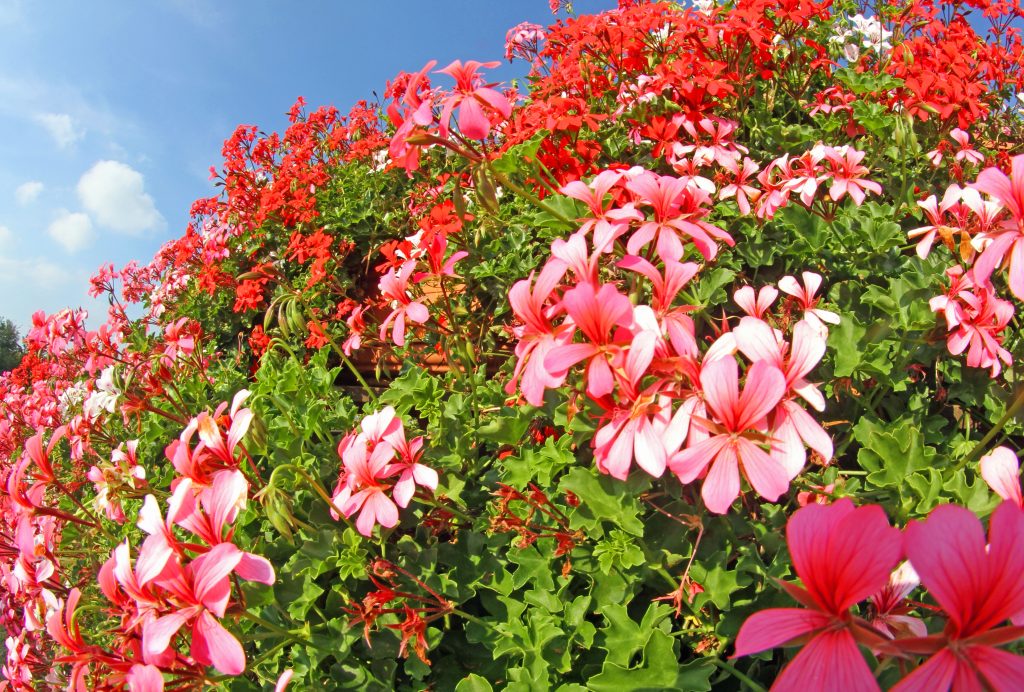
Geraniums are reliable flowers. They bloom eloquently, resist heat, and brighten up pots, window boxes, and flower beds month after month.
But if you have had a geranium plant that started growing and then stopped producing flowers in the middle of the season, then you already know something:
- Geraniums don’t require a full meal for any purpose.
- Geraniums require a full and adequate meal.
The right way to use geranium fertilizer is not to pour more vegetable fertilizer into the plant. The right way is moments, balance, and understanding exactly what these flowers require in order to bloom boldly and continuously without draining the dirt.
Let’s take a look at this in more detail.
Why Geraniums Stop Blooming (And It’s Not Just Fertilizer)

Geranium is a very common summer plant, and it produces very colorful flowers. However, there is a time when your geranium plants stop blooming, and you might think that they are not getting enough fertilizer.
There are several reasons, apart from the fertilizer, why your geranium plants stop blooming. It is an issue where fertilizer can play a role, but before we get into the role of fertilizer, let’s take a look at the overall reason why geranium plants stop blooming.
Some of these include:
- Too much nitrogen
- Not watering the plant properly
- Root-bound pots
- Not deadheading
- Nutrient depletion in pots
- Too much heat
One of the biggest problems I had when I first started growing geranium plants was learning just how easy it was to over-fertilize my geranium plants.
I figured that since I was fertilizing my geranium plants a certain amount, I could just double this figure and get twice as many blooms.
Geranium plants are wonderful bloomers, but there is one thing that they don’t want, and that is too much nitrogen.
The Nutrients Geraniums Love
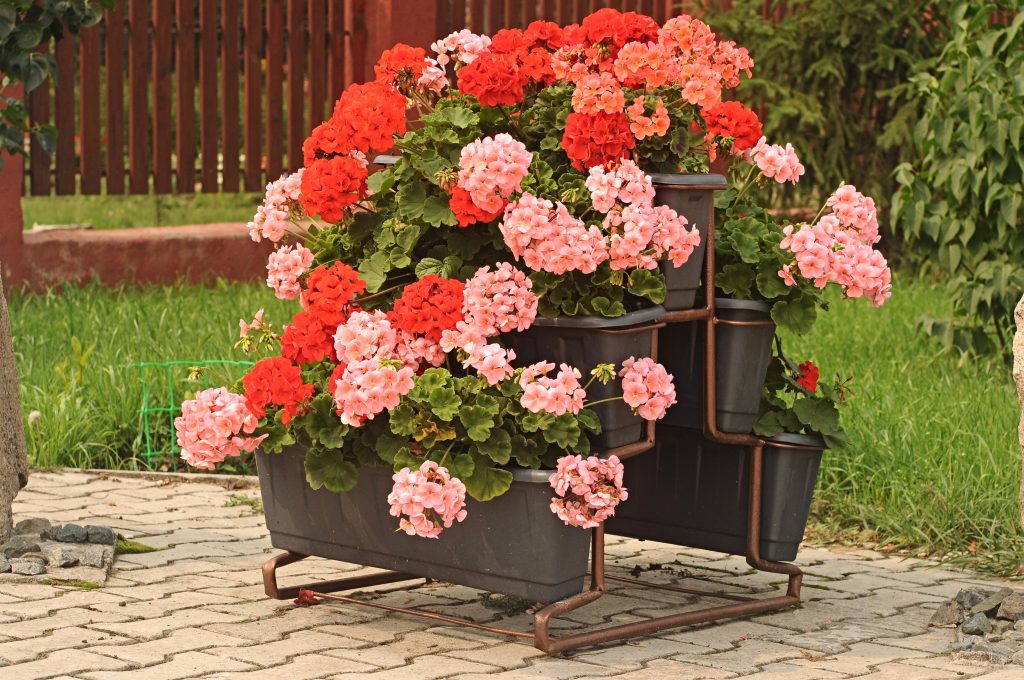
Moderate nitrogen: For good foliage growth
High phosphorus: To support stunning blooms
Potassium: For overall plant health
Regular micronutrients
Use a balanced or blooming fertilizer such as:
- 10-10-10 balanced formula
- 15-30-15 blooming formula
- 5-10-5 low-nitrogen blooming formula
When to Fertilize Geraniums

1. Right from the Start
You can mix the fertilizer with the soil before you plant the geraniums. If you have pot-bound plants, this will give them the nutrients they need for the next 6-8 weeks.
If you’re planting directly into the garden, mix some compost into the ground before you plant the geraniums. They love well-draining soil with compost added.
2. While Geraniums are Growing (Spring to Early Fall)
If you’ve planted your geraniums and they’re growing well, you can fertilize them at the following intervals:
Every 2-3 weeks with liquid fertilizer
OR
Every 6-8 weeks with slow-release fertilizer
Geraniums have tiny roots when you first plant them, and they don’t require much fertilizer at this time. If you’re planting from nursery stock or cuttings, you can probably skip the fertilizer the first year.
The roots of the geranium have a tiny area to absorb nutrients from, and they will require more assistance from you if you’re planting them into pots.
Liquid vs. Slow-Release Fertilizer: Which Is Better?
Liquid Fertilizer
Pros:
- Fast acting
- Quick results
- Easy to control concentration
Cons:
- More maintenance
- Easier to over-fertilize
If you like taking a more involved approach to tending to your plants and appreciate setting and sticking to a schedule, liquid fertilizer may be the choice for you.
Slow-Release Fertilizer
Pros:
- Low maintenance
- Consistent, steady stream of nutrients
- Less risk of over-fertilizing
Cons:
- Slower acting
- Less effective for quickly remedying nutrient deficiencies
I tend to use slow-release in my container plants at the beginning of the season, and then turn to liquid fertilizer applied at a weaker dosage once the plants begin to really flower.
The Correct Method for Applying Fertilizer to Geraniums
1. Avoid Fertilizing Dry Soil
Before you fertilize your geraniums, you need to ensure that the soil is moist. Fertilizing dry roots may end up killing the roots.
2. Prepare a Weaker Solution than Indicated on the Packaging
This is especially important with liquid fertilizer. I personally prepared a weaker solution than the one recommended on the package.
Instead of giving your geraniums a lot of fertilizer a few times, why not give them small amounts regularly?
3. Mornings are the Best Time to Fertilize
This will allow the plants to get the most out of the fertilizer before the heat of the day sets in. Fertilizing your plants in the afternoon may end up burning the leaves the next day.
Indications That Your Geraniums Are Hungry

You might notice some of these signs if your geraniums need to be fed:
- Reduced flower size
- Fewer flowers
- Lighter foliage
- Slower growth
However, yellowing leaves don’t necessarily indicate that your geraniums need to be fed. Often, this is a symptom of overwatering, which can appear similar to a lack of nutrients.
I’ll be the first to raise my hand and admit that sometimes I panic and think my geraniums need to be fed because the leaves are turning pale.
One year, I kept giving more and more fertilizer only to realize that the plant wasn’t using what I was giving because it had poor drainage, was staying too wet, and the roots were stressed.
Boosting Blooms Without Overfeeding

Fertilizer is beneficial, yet not the sole solution for plant growth.
- Ensure there are adequate nutrients as well as water. You might be feeding properly, but lacking sufficient water.
- Pot-bound plants will not do well, no matter how well you feed them.
- The Type of fertilizer used, how much, and how often. Too much can kill your plants.
- Plants also need a proper balance of nutrients.
- Using a slow-release granular fertilizer is generally better than liquid for container plants. Water-soluble fertilizers can build up and burn the plants’ roots.
- Watering plants after feeding them with liquid fertilizer will make them take up the nutrients better.
- Time-release fertilizers can feed for over 3 months.
- June is quite early for geraniums to start tapering off.
- 2x/week is not normally enough to water. A little and often is not good, as the water doesn’t wash the soil and roots properly.
Fertilizing Geraniums in Containers vs. Garden Beds
When it comes to the fertilizer used for geraniums in pots as opposed to those in garden beds, there can be a world of difference. Let’s take a closer look at the major differences.
If you have your geraniums in pots, you will need to fertilize your plants frequently because the fertilizer will be washed away with the watering can. Drainage is very important in planting your geraniums in pots.
You will need to use a sterile, soil-less medium for your plants. Additionally, you will need to change the medium every year to keep your plants in good condition.
If your geraniums are in garden beds, they will require very little fertilizer. You will need to make sure that your soil drains well and add organic matter to your soil before planting your geraniums.
You will also need to be careful not to let weeds grow in your garden because they will compete with your geraniums for fertilizer, especially in the beginning, when they will be growing.
Organic Fertilizer Options for Geraniums
If you are an organic gardening enthusiast, some of the best fertilizers for your geraniums are:
- Compost Tea
- Fish Emulsion
- Worm Castings
- Seaweed Extract
These fertilizers are slow-acting and will improve soil structure as well.
I have successfully used diluted fish emulsion as fertilizer for my geraniums. However, it does have a rather pungent odor, and it is best applied outdoors in the morning.
Common Fertilizing Mistakes to Avoid

Too Much Nitrogen
Excessive nitrogen will give you green leaves and few flowers.
Inconsistent Feeding
Waiting too long between fertilizing will stall the bloom cycle.
Ignoring Drainage
Fertilizer will not make up for the lack of drainage.
Feeding Stressed Plants
If the geraniums are stressed from the heat and roots, fix that before you fertilize.
A Lesson I Learned from My Red Geraniums

In early summer, my red geraniums growing in a long planter were looking absolutely stunning. However, come July, it seemed as though the bloom times were slowing way down.
Not thinking, I figured they were hungry and gave them extra food.
The result? Green plants with fewer blooms. Leggy growth and fewer flowers.
I stopped overfeeding my red geraniums, pruned them back, and resumed giving them half-strength liquid plant food every two weeks.
And voila! These little bunches of blooms turned into solid balls of color and have stayed that way ever since.
Tips for Making Sure Geraniums Thrive All Year Long

- Begin with nourished soil.
- A slow-release fertilizer should be mixed in when planting.
- Then, use a diluted liquid fertilizer to promote growth every two weeks or so.
- Deadhead for continuous bloom.
- Make certain geraniums are adequately watered.
- Cut back mid-season for renewing growth.
Do Bloom Boosters Really Work?
They can be helpful if phosphorus is lacking, but if the soil already has enough phosphorus, adding more will not double the flowers.
Balanced feeding and good care will do more for you than trying to get the highest numbers on the fertilizer package.
Should You Fertilize Overwintered Geraniums?

If you have overwintered them indoors:
- Resume feeding when new growth starts this spring.
- Feed sparingly and increase as necessary.
- Do not fertilize dormant plants.
Geraniums growing indoors need less fertilizer because of the reduced light.
Conclusion
Fertilizing geraniums is not difficult, but it must be carried out at the right time and in the right doses.
If your plant doesn’t bloom as you’d expect, don’t immediately think you need to add more fertilizer; instead, check other growing conditions or simply wait a bit.
Geraniums love steady care.
But when you provide it, they’ll give you flowers all summer long.