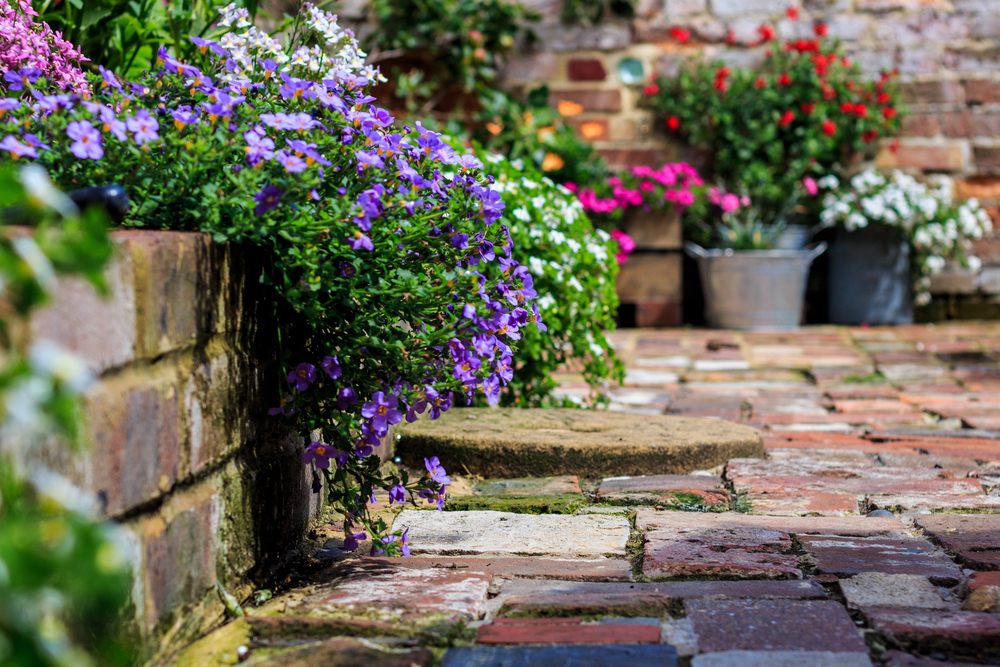
A cottage garden is not designed. It accumulates. The gardens that look like they simply happened, like the flowers chose to be there and the path wore itself into the ground over decades, those gardens had a plan.
Usually on graph paper, usually covered in tea stains and crossings-out, usually ignored in several places where the gardener changed their mind halfway through October. If you want to create cottage garden plans for your backyard, you should know upfront that the plan is not the garden.
I would suggest you begin not with plants but with shoes. Put on the ones you actually wear in the garden (not the ones you bought for the garden) and walk the space. Where do your feet go? That is your path. Everything else is border.
What Cottage Gardens Were Before Pinterest Got Hold of Them
The original cottage gardens were not pretty. They were working ground. Cabbages next to hollyhocks (Alcea rosea). The hollyhocks self-seeded and nobody pulled them out because nobody had the afternoon free to do so. Herbs went by the kitchen door, not for aesthetics, for dinner. Roses grew over the privy because privies stank.
Gertrude Jekyll and a handful of Edwardian painters looked at a labourer’s plot and decided it was charming. Which is a very English thing to do.
So if your plan has neat blocks of lavender at precise intervals, you are building a formal garden. You have put cottage plants in it. Nothing wrong with that. But know the difference.

Where the Sun Falls Matters More Than What You Plant
Where is the sun at noon? Go outside and look. Where is it at four o’clock? Look again. Delphiniums (Delphinium elatum) need six hours of direct sun. Hollyhocks need six hours. Verbascum (Verbascum ‘Gainsborough’) need six hours.
Your neighbour’s sycamore might shade half the plot from two o’clock. That half gets a different list entirely. Foxgloves (Digitalis purpurea), astrantia (Astrantia major ‘Hadspen Blood’), ferns, and Japanese anemones (Anemone x hybrida ‘Honorine Jobert’). Not a consolation prize. Some of the borders I’m happiest with are shade borders. But you cannot fudge it.
Dig a hole, 30 centimetres deep. Squeeze what comes out. Clay sticks in a ball and you can see your thumbprint in it. That needs organic matter dug in. The word you want is friable. Soil that crumbles loosely but holds together when you close your hand.
Graph Paper, Not Software, Not an App
A3 graph paper. One square equals 25 centimetres. Sketch the plot boundaries, mark the house wall, the back fence, the shed, any tree.
Shade in the sunny area. Shade in the dark area differently. Now draw your paths first. The beds are whatever is left.
Paths and Edges First
Cottage garden paths curve, and brick or reclaimed stone suit the style.
Gravel costs less. You will be on your knees pulling bittercress out of it every Saturday from April onwards. Decide whether that saving is actually a saving.
You need edges on your borders. Yes, even for a style that is meant to look relaxed. Brick on edge, a steel strip, a sharp spade line renewed in March. Without that line, your plants cover the path by the end of June. Hardy geraniums are the worst offenders and they know exactly what they are doing.
I was going to say flagstone for the main path. But hoggin is a fifth of the price. It is clay, gravel, and sand mixed together. You roll it flat and it sets almost like concrete. It looks right next to cottage planting in a way that paving slabs from a builder’s merchant never will. Ask your local quarry.

How to Create Cottage Garden Plans for Your Backyard: The Seasonal Planting Scheme
This is the section that matters most when you create cottage garden plans for your backyard, and it is the section where nearly everyone goes wrong. People go to the garden centre in June. They buy what is flowering. They go home with a car full of July-blooming perennials. By September the garden is silent.
You need to think in seasons and in layers. Without the sequence you have a party that starts at eight and finishes at half past.
Tulips
Bulbs planted the previous autumn give you the first colour. ‘Ballerina’ is a warm orange, not a polite orange. An orange that looks almost edible against the new green of perennial foliage coming through. ‘Queen of Night’ is near-black. Plant them 15 centimetres deep in clusters of seven or nine.
Narcissi
‘Thalia’ is elegant and reliable, three or four flowers per stem, white, not blowsy. Narcissi are one of the few bulbs that squirrels and deer leave alone.
Alliums
‘Purple Sensation’ is the standard pick. I have no quarrel with it. Allium cristophii if you want seedheads that last into July. They look like spent fireworks left in the border.

Wallflowers and Self-Seeders
Wallflowers (Erysimum cheiri) and sweet William (Dianthus barbatus) carry the early perennial colour. Both are biennials or near enough.
Aquilegia (Aquilegia vulgaris). Seeds itself everywhere. Some people find this enraging. I find it the best thing about the plant. You do not need to stake it, feed it, or deadhead it unless you want to stop the seeding, which defeats the purpose.

Summer Perennials (June to August)
The backbone of the whole thing. Roses separately, below.
Geranium ‘Rozanne’ flowers from late May to October in a good year. Late May to September in a bad one. That is still extraordinary for a single perennial. Geranium pratense ‘Mrs Kendall Clark’ is a veined blue-lilac. People think it is expensive, but it is not.
Catmint (Nepeta ‘Six Hills Giant’), lavender (Lavandula angustifolia ‘Hidcote’), Penstemon ‘Andenken an Friedrich Hahn’, and scabious (Scabiosa caucasica ‘Clive Greaves’). Garden centres label this one ‘Garnet’. Nobody wants to spell Friedrich on a label.
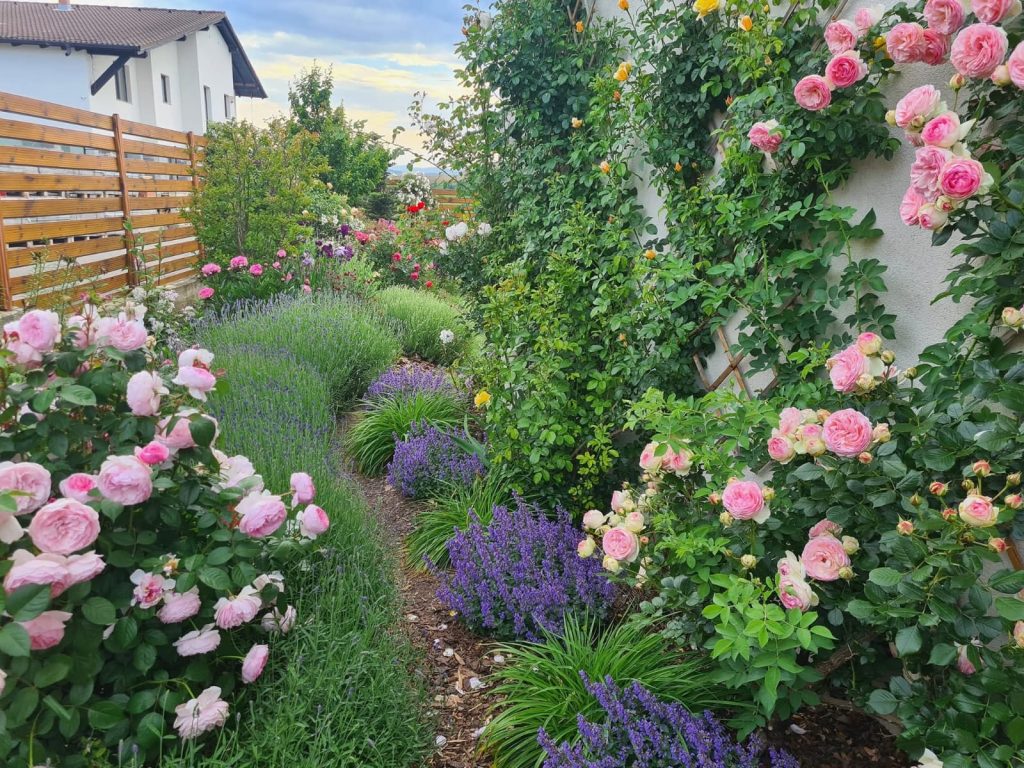
For vertical punctuation: delphiniums. The Pacific Giant hybrids if you want theatre, Delphinium ‘Faust’ for dark violet. Foxgloves and Verbascum ‘Gainsborough’ for primrose yellow spires that glow in evening light.

I would hold off on dahlias until year two. They want rich ground and staking from mid-July and they will distract you from getting the perennials established. Dahlias belong in your second year, not your first.
Staggering bloom times is the only trick. Geraniums and catmint start in early June. Check the label. Check the label. Always check the label. “Flowers June to August” on a label means a peak in July. Scattered bloom either side. Not three solid months of colour.
Autumn (September to October)
Japanese anemones keep the garden going into October with almost no effort from you. Hylotelephium ‘Herbstfreude’, which every garden centre on earth still labels Sedum ‘Autumn Joy’ and probably always will, produces flat-topped flower heads in late September.
Butterflies crowd onto them. Asters: Aster novae-angliae ‘Andenken an Alma Pötschke’ delivers a loud magenta pink. People either love this or cannot stand it. I am not going to tell you which camp I fall into. Rudbeckia fulgida var. sullivantii ‘Goldsturm’ fills gaps in gold.
The best cottage gardens have something flowering every time you visit. That is a plan with a calendar stapled to it.

Roses in Your Cottage Garden
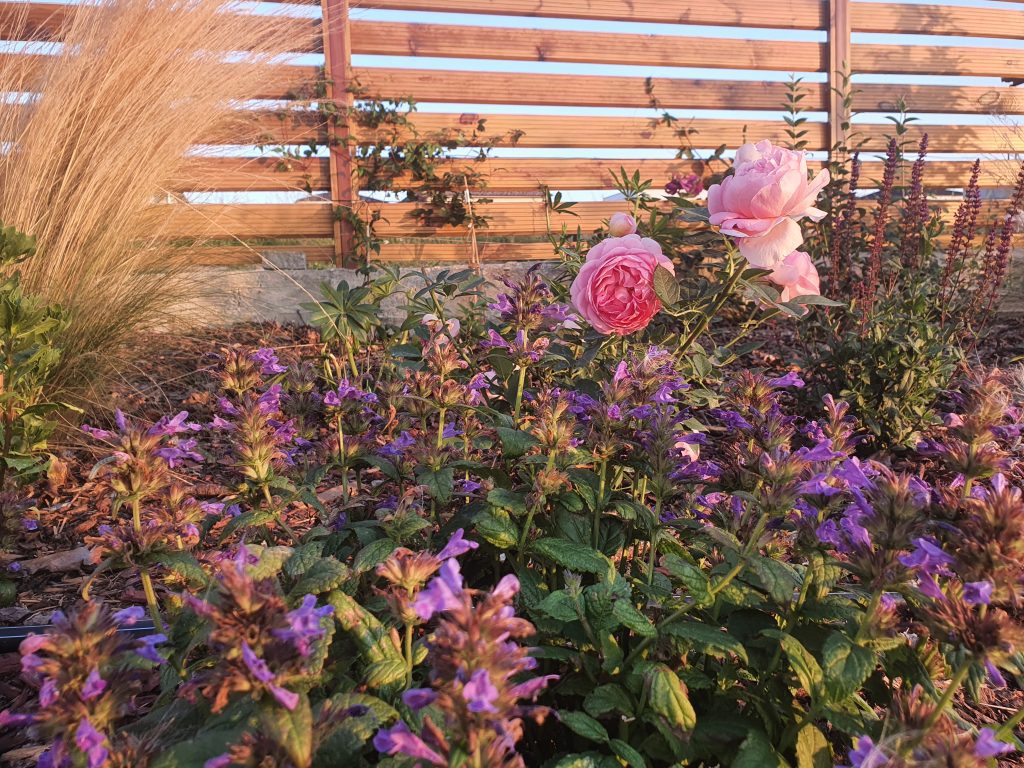
No cottage garden without roses. David Austin English roses give you the old-fashioned cupped flower shape with repeat blooming and actual disease resistance.
The original old roses never had both. ‘Gertrude Jekyll’ for scent. Possibly the finest scented rose in general cultivation, and I do not say that lightly because ‘Roseraie de l’Hay’ (a rugosa hybrid, entirely different lineage, looks nothing like a David Austin, smells of cloves and earth) exists and has its partisans.
‘The Generous Gardener’ repeats well. It also flowers on a north-facing wall, which roses are not supposed to do. ‘Munstead Wood’ is dark crimson.
It photographs terribly. Every photograph you take of it will disappoint you, and every time you see it in person you will forgive the photographs.
For climbing: ‘A Shropshire Lad’ on a south or west wall. ‘Félicité et Perpétue’ for shade. Old rambler. Flowers once but heavily. Once-flowering, but prodigiously, and the scent in late June is the kind of thing you remember in January.

Mistakes That Cost Borders a Year
The pots are 9 centimetres across. The spacing on the label looks absurd. You ignore it. By July a single hardy geranium is 60 centimetres across and smothering its neighbours. Trust the spacing. You will feel foolish with all that bare earth in November but you will feel vindicated by the following summer.
Forgetting foliage. All flowers and no leaves is noise. Everything competing, nothing resting. You need the grey felted leaves of Stachys byzantina (lamb’s ears), the scalloped lime-green of Alchemilla mollis (lady’s mantle), and probably a grass, Stipa tenuissima is the obvious choice, to give the eye somewhere to rest.
Ignoring the soil. Bad drainage or compacted subsoil will kill a border no matter what you plant in it. Spend the money on compost and soil conditioner before you spend it on plants. I know this is unglamorous. I know you would rather buy another delphinium. The compost is more consequential than the delphinium. It will always be more consequential than the delphinium.
Fourth. Choosing only double-flowered cultivars. They are gorgeous in a vase and offer nothing to a pollinator. Bees cannot get into a fully double flower.
Not staking early enough. Delphiniums, dahlias, tall penstemon, they all need support before they actually need support. By the time a stem leans, the internal damage is done. Put stakes in at 30 centimetres of growth. Tie loosely. Let the plant grow through.
Nothing to do with staking, but if your shed faces south and you prop the door open from March, that is a cold frame. Thermal mass off the back wall keeps frost out, free. I do not know why more people do not do this.
How Spacing Actually Works
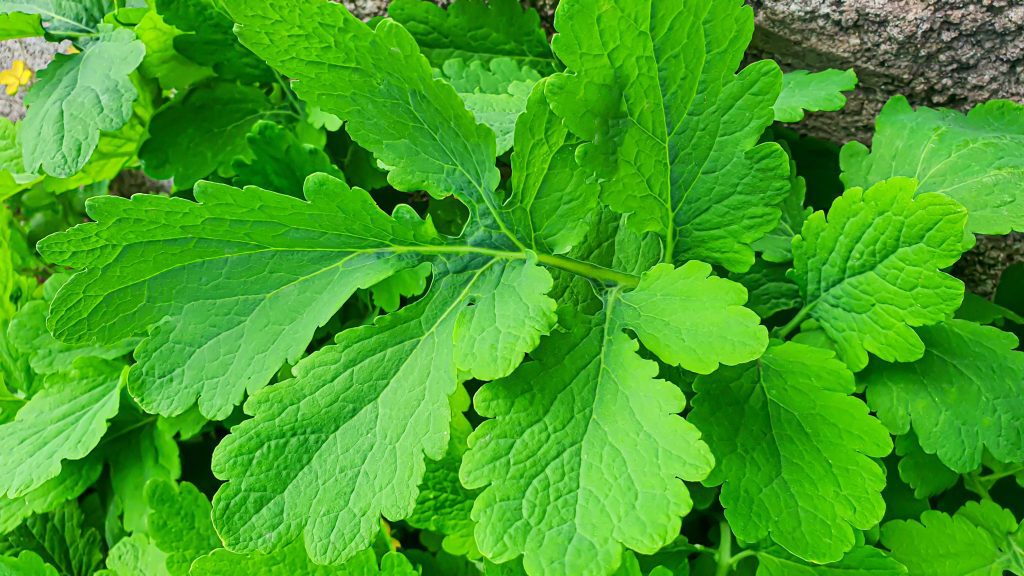
Five to seven perennials per square metre. That is the standard for 9-centimetre pots. Three per square metre for large shrub roses and tall grasses. Within each band let the species weave, no tidy blocks.
When you create cottage garden plans for your backyard, draw circles on your graph paper at the mature spread. Not the pot size. The pot is temporary. The plant is not.
This Afternoon
Go outside. Tape measure. Graph paper. Pencil. Mark the sun. Draw the paths. Leave the plants for later.
If you want to grow something while you wait, our guide on growing herbs in water is a good place to start.
Got questions? Get in touch.