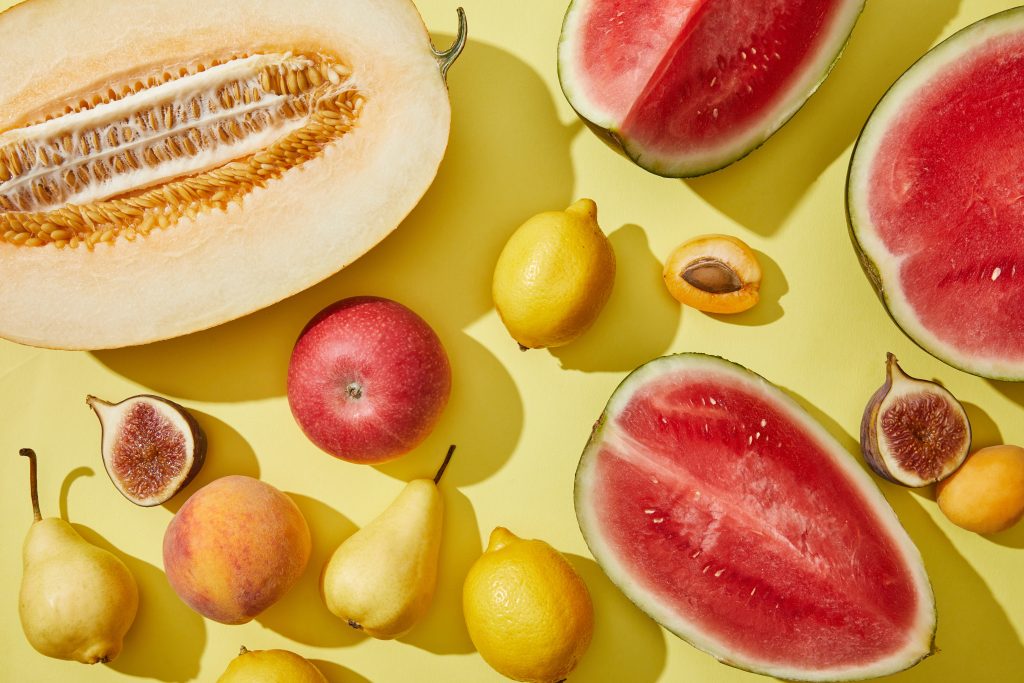
Until recently, it was really only the fortunate folks with enough land to keep a full-size orchard that could easily pluck fresh fruit from their own trees.
Not anymore! Welcome to the small-space fruit revolution.
Now, anyone with a sunny balcony, patio, or even just a sunny corner of a room can wield a mean pair of pruning shears and savor the “fruit” (literally) of their labor.
Apples, lemons, figs, and even peaches are all possible in controllable pots. Or a well-tended 3×3-foot space. Interested? Read on.
How I Realized an Orchard Didn’t Need a Backyard
I didn’t mean to install an orchard in my backyard. I don’t think anyone with a small yard, patio, or balcony, or windowsill should.
Fruit trees require too much space, expertise, and time, I thought then. There’s a reason why whole orchards should be planted in the ground, sprawling over the edges of huge farms, with hundreds of acres each to accommodate their roots.
Two apples, a cherry, two more lemons, another lime, and an unexpected avocado tree later, I realize how mistaken I was. Each of the potted trees I planted, crammed into a corner there and by the door here, brought me closer to an orchard.
The orchard isn’t impressive. It’s no bigger than some lofts.
But it has brought me closer to my food than any growers market, any online delivery, any magazine spread, ever could. It taught me why we plant fruit trees in the first place: so we can eat the fruit.
The Revolutionary Aspect of Container Fruit Trees
The concept of container fruit trees is revolutionary in nature. It reverses all the rules for gardeners.
You can plant a mini orchard in any corner of your backyard, and you can enjoy fruits that you have grown yourself. It is a great option for people who live in apartments as well.
Your fruit trees will always accompany you wherever you go if you move to a new house.
I have a number of fruit trees that I plant in containers, and they are the easiest things to take care of. I get a lot of fruits every year, and I don’t have to do much to get them.
How to Understand Dwarf and Miniature Fruit Trees
You can’t grow any fruit tree in a container. What you can do is scissor-select the type of suitably tiny fruit tree gremlins. Here are the types of dwarf fruit trees available.
Types of Dwarf Fruit Trees
1. True Dwarf Fruit Trees:
They are tiny genetically fruit trees with…you guessed it…true dwarfism. Additionally, they grow to a height of 6-10 feet.
Perfect for container growing.
2. Semi-Dwarf Fruit Trees:
These are a bit taller, growing to a height of 10-15 feet when planted in the ground. With a good haircut and put in a big enough pot, they can also be grown in containers.
3. Grafted Fruit Trees on Dwarf Rootstock:
Most container-grown fruit trees are standard fruit varieties spliced onto dwarf rootstock. The rootstock determines tree size, while the upper portion bears full-size fruit.
This must be crystal clear: dwarf fruit trees bear full-size fruit. The tree is miniaturized, not the lemons, limes, or tangerines.
The Best Container Fruit Trees for Small Spaces
Here are some of the best, most reliable, and easiest to grow options, which also happen to be great in a container.
1. Apple Trees
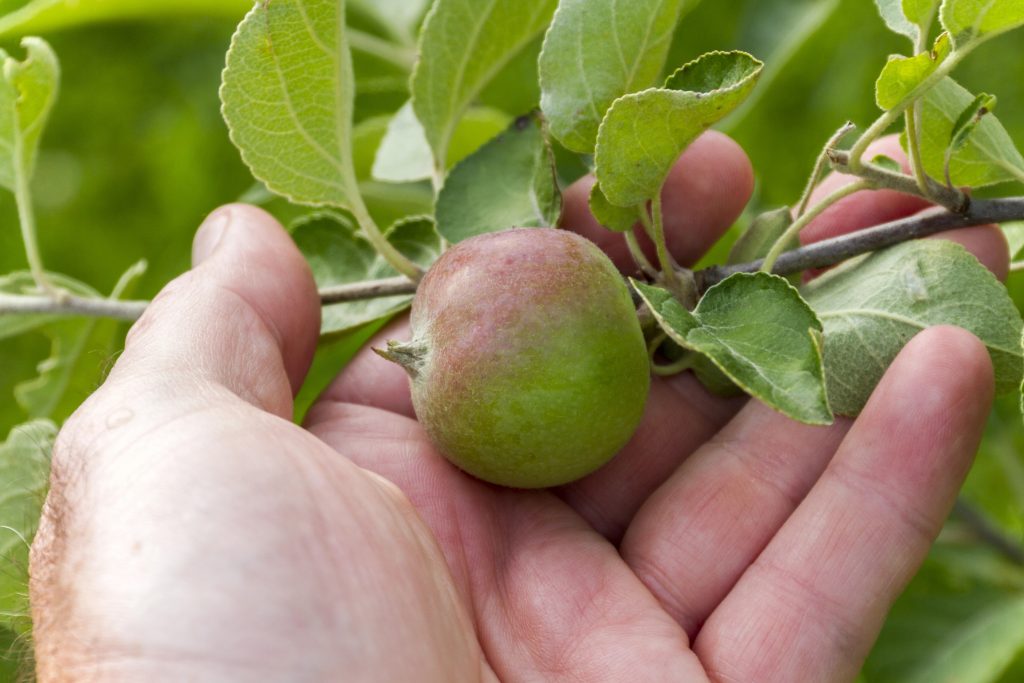
Dwarf apple trees, especially when grafted onto dwarf rootstock like M27 or M9, are an extremely reliable and easy-to-grow option. Above all, they are extremely compact, yet still produce full-sized, crunchy, and delicious apples.
Best Varieties for Containers
Consider self-fertile or partially self-fertile varieties like:
- ‘Gala’ (both compact and productive)
- ‘Fuji’ (sweet and reliable producer)
- ‘Honeycrisp’ (good cold hardy variety)
- ‘Golden Delicious’ (often partially self-fertile)
If possible, growing two varieties that are compatible with each other is also an easy way to boost both pollination and overall fruit set.
Container Size
The smallest apple tree will require a pot of at least 18-20 gallons. It is worth noting that apples are aggressive rooters, and smaller pots may actually result in less fruit.
Sunlight & Placement
Requires full sun. If your apple tree does not receive 6-8 hours of direct sunlight, it simply will not produce fruit.
Pruning Plan
Winter: Prune and remove crossing branches
Summer: Prune lightly to control size
Yield Expectations
Year 2-3: Can expect a small harvest
2. Dwarf Citrus Trees
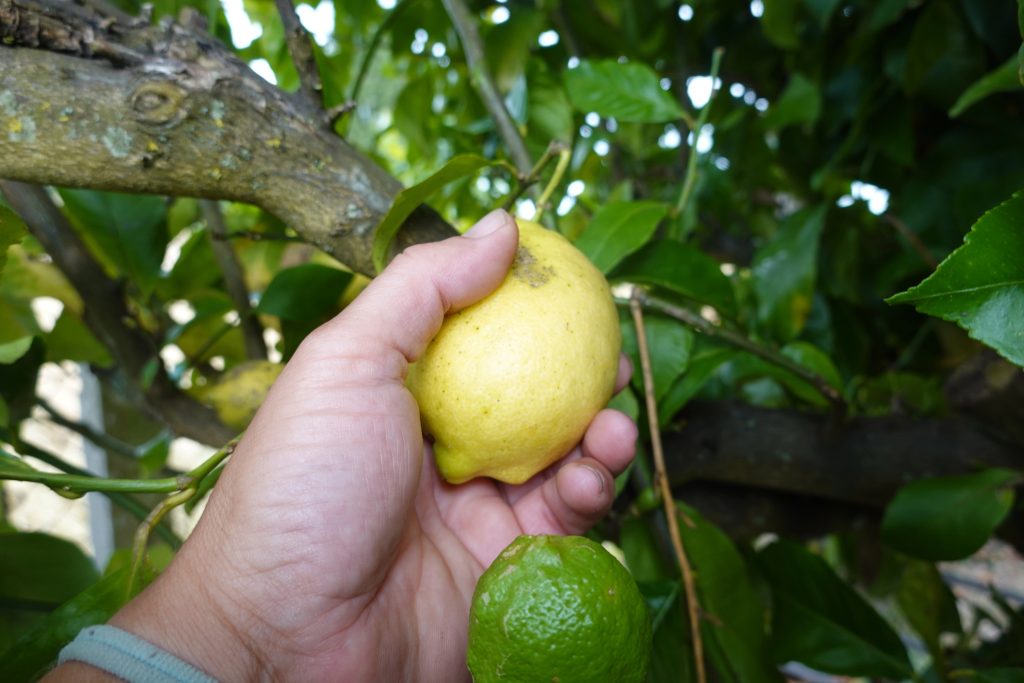
These are the best trees for small orchard projects because they thrive in pots and can tolerate indoor conditions.
Top Dwarf Citrus Varieties for Containers
- Meyer Lemon (most popular)
- Calamondin Orange (compact and ornamental)
- Dwarf Key Lime
- Satsuma Mandarin (cold-hardy)
Container Size
15-20 gallons minimum
Citrus trees prefer root room but not root depth.
Lighting Needs
High. Place near a south-facing window in the winter, and supplement with grow lights if necessary.
Watering
Let the top 2 inches of soil dry out. Citrus trees don’t like wet roots.
Fertilizing
Use citrus tree fertilizer that is high in micronutrients. Yellowing leaves are the first sign of a nutrient deficiency, not watering problems.
Yield Potential
Fruiting can start in the second year, and full-grown dwarf trees can produce dozens of fruits.
Leaf Issues
Leaves fall off due to moving and changes in the environment. Ease transitions as much as possible.
Pest Issues
Spider mites in indoor conditions. Check plants regularly.
Likeliest Problem
Water problems top the list.
Best Tip
Don’t worry if your citrus trees lose their leaves in the fall. It’s normal.
I get at least one letter a week from a reader about citrus trees. They grow great
3. Fig Trees
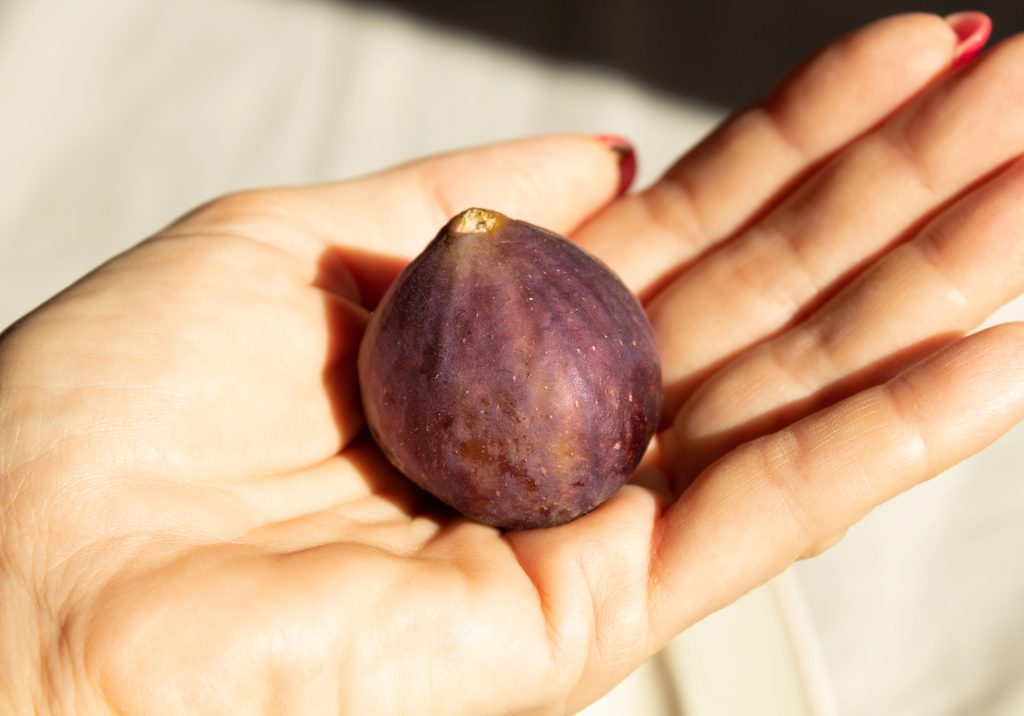
Figs are one of the simplest fruit trees to grow in a small garden, as they are tolerant of root restriction and often fruit well in containers.
Recommended Varieties
- Brown Turkey (hardy and versatile)
- Chicago Hardy (cold hardy)
- Celeste (dwarf, with extremely sweet fruit)
Container Size
Minimum of 15-20 gallons
Figs prefer to have their roots slightly restricted; this helps to encourage fruiting.
Lighting Needs
Full sun for optimal sweetness; partial sun will cut yields.
Pruning
Minimal pruning is required; simply remove dead wood in late winter. Figs fruit on new wood, so minimal annual pruning will help to increase yields.
Yield
Many varieties will produce two crops in warmer climates:
The breba crop (early summer) and the main crop (late summer to fall)
Mature container figs will produce 20+ fruits per year.
Potential Issues
- Fruit splitting due to irregular watering
- Birds are stealing your harvest
- You may need to net your tree.
4. Dwarf Peach and Nectarine Trees
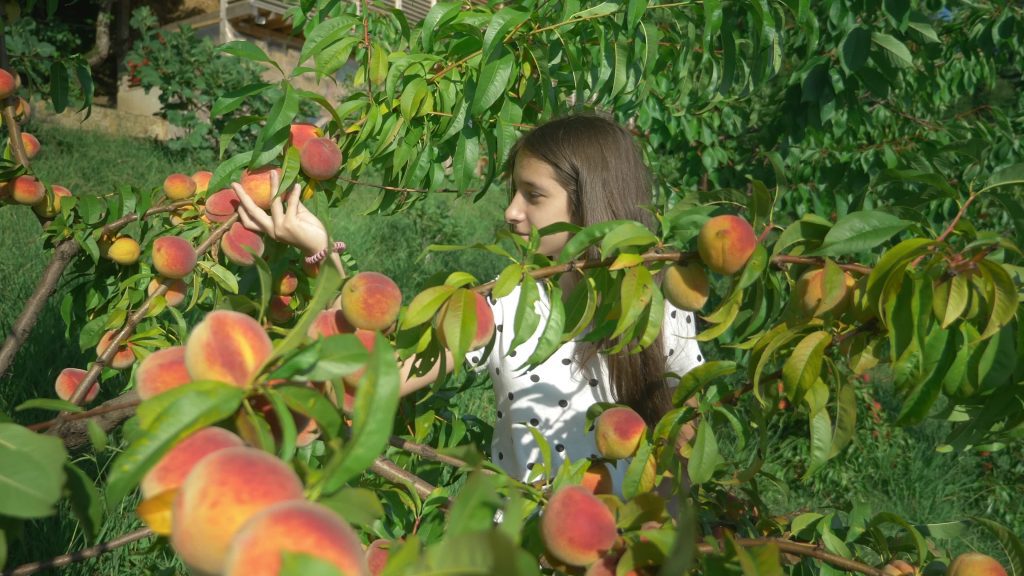
What a lot of people don’t realise is that modern varieties of peach and nectarine trees are not only self-fertile (they don’t need a pollination partner) but they are also vigorously bred for the patio and small garden space.
Recommended Varieties
- ‘Bonanza’ Dwarf Peach
- ‘Garden Gold’ Peach
- ‘Necta Zee’ Dwarf Nectarine
These mini marvels will grow no taller than four to six feet and perhaps even produce a few fruits for the first year when they are still in their nursery pot.
Container Requirements
You really do need a sizeable pot, preferably one with wheels, because you’ll need to move it if you live somewhere seriously rainy. I’d recommend (at the very minimum) a 20-gallon pot for any type of dwarf fruit tree because those fruits get heavy!
Sunlight: Full sun only
Pruning
Peaches need a bit more care when it comes to the pruning department.
They fruit on one-year-old wood, so every year you’ll need to cut out a bit of the old wood. This process encourages new fruiting wood, but you will also need to maintain the height, which is best done by keeping the center clear and cutting back branches that reach straight up into the sky.
Improving air circulation, for all peaches and especially for areas with higher humidity, is also important. This means they can be a lot more work than something like an apple or fig tree.
5. Cherry Trees (Dwarf Varieties)
Dwarf cherry trees are small in stature and ideal for smaller gardens and al fresco dining areas. When planted in the right conditions, these small to shrub-like trees thrive in containers.
Best Varieties for Containers
- ‘Stella’ (self-fertile)
- ‘Lapins’ (one of the most productive sweet cherry trees)
- ‘North Star’ (hardy, self-pollinating sour cherry tree)
Container Size: Minimum 20 gallons
Sun Requirements: Requires full sun
Pruning Needs: Requires light pruning each year
Yield: 10-20 cherries
Tip: Mulch around the base of the tree to increase soil moisture and reduce soil temperature.
6. Compact Pear Trees
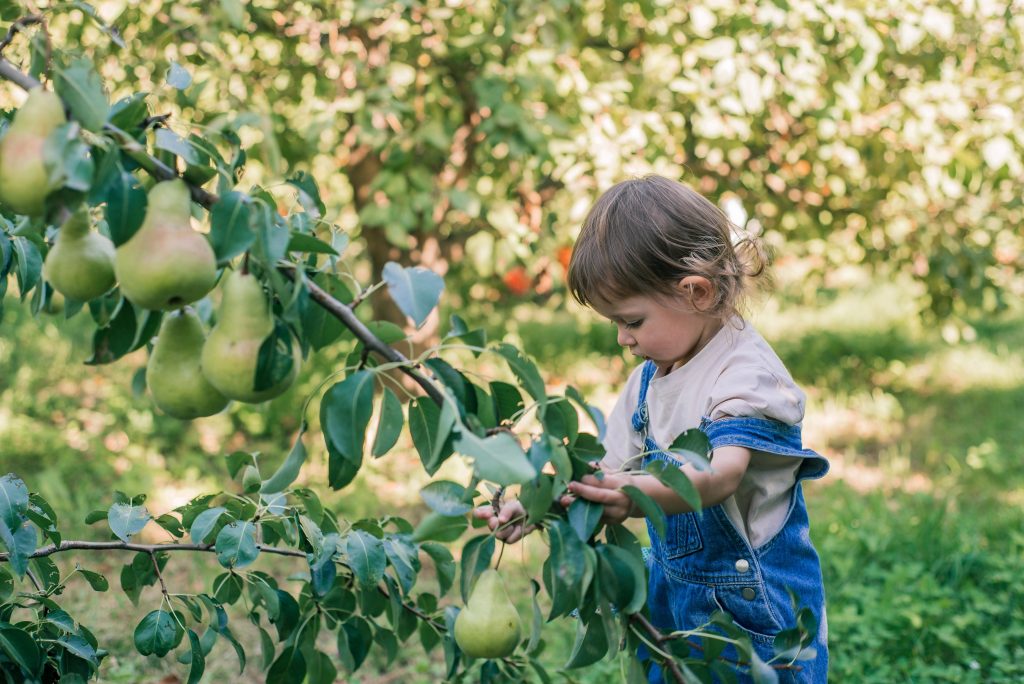
Pear trees are not the first thing people think of when they have limited space. However, compact, narrow, and ‘on-quince’ rootstock make them perfect for large containers.
Flatsided potting shed or against a wall, creating a fabulous feature. By the end of the season, the pears will be hanging from your container tree like jewels.
Pears come in a wide variety of types, from cooking to eating.
Suitable Varieties For Containers Include;
- Conference (reliable, good cropper)
- Bartlett (classic pear flavor)
- Comice (often cited as the best pear for desserts)
Container Size
- 18 – 20 gallons Light
- Full sun is preferable. Pears can take slightly cooler climates than peaches.
Pruning: Train in a compact central leader tree shape. Thin crowded tree branches.
Yield: Probably just a few in the first year, maybe 10 to 20 pears on a mature tree.
What to Consider When Choosing a Pot
The nature of the pot to use is essential when planting your tree
Size
Choose a pot that is at least 15-20 gallons when planting a dwarf fruit tree. This is because the roots will not have enough room to grow, as will the fruits, if the pot is small.
Holes
Drainage should not be forgotten, as the tree will die quickly in waterlogged soil.
Nature
- Plastic: light and wet
- Terracotta: dries quickly
- Fabric grow bags: excellent ventilation
If you are planting your tree in a garden that has limited space, such as a balcony garden, ensure that your framework is capable of supporting the weight of soil in a large pot.
Containerized Fruit Trees Soil
- Select a good potting mix, not regular soil.
- An optimum mix is composed of:
- Well-draining potting mix
- Nutrient-rich compost
- Aeration provided by perlite or bark
- Stay away from compacted clay soil, as container roots require aeration and moisture.
- Annually replace the topsoil to retain nutrients.
Sunlight is a Necessity and Must Not be Compromised On
For the best results, most fruit trees require at least 6 to 8 hours of direct sunlight per day.
Insufficient sunlight will lead to:
- Flower production will be low.
- The fruits will not be of good quality.
- The plants will be weak.
Watering Potted Fruit Trees
Soil in pots dries out much faster compared to soil in the ground.
As a general guide:
- Water deeply once the top 2 inches of soil feel dry
- Allow the excess water to drain out
You might need to water your potted tree daily in summer and cut it down to a minimum in winter.
Watering off and on will lead to fruit drop, cracked fruit, and stressed roots. The key is to water consistently.
Fertilizing for Maximum Growth
Well-nourished fruit trees will be less susceptible to insects and diseases.
For young trees:
- Do not fertilize for 6-8 weeks after planting
- Use a slow-release, balanced fertilizer 6 inches away from the trunk of the tree
- Water well after fertilizing
For mature trees, fertilize:
- Before new growth in early spring
- After harvesting in late spring
- In the fall, when the tree is dormant under leaves
- Fertilize around the drip line of the tree
Spraying for Pest Control
If you have a pest or disease problem:
- Determine the problem
- Select the least toxic method
- Spray when it is dry to prevent fungal growth
Pruning and Size Control
Pruning is a critical factor in the health and vigor of potted fruit trees.
The objectives of pruning are:
- Maintain the tree to a manageable size
- Ensure better air circulation around the tree
- Induce the growth of fruiting branches
In winter, prune the tree to maintain its shape; in summer, prune it to control its size.
It is important to remember that it is impossible to avoid this step because potted trees require constant maintenance.
Winter Care of Potted Fruit Trees
One of the benefits of growing fruit trees in pots is that they are portable.
In areas where it is cold:
- Move the pot indoors or to a protected area
- Cover it with burlap or straw to keep it warm
- Protect the root ball from freezing
Citrus fruits must be moved indoors before the frost sets in.
Creating Your Own Indoor Orchard
If you are serious about indoor orchard ideas, here’s how to create one:
- Choose dwarf fruiting varieties
- Position in areas of maximum light exposure
- Use grow lights if needed
- Turn containers weekly
- Monitor humidity levels
Citrus, figs, and some dwarf olives will grow well in an indoor environment with adequate lighting.
A row of fruiting trees in planters against a sunny wall is both beautiful and fruitful.
Common Mistakes to Avoid
- Using planters that are too small
- Underestimating the need for sunlight
- Overwatering
- Neglecting pruning
- Neglecting fertilization
Most of the difficulties that gardeners experience in gardening in small spaces are caused by improper lighting and watering.
The Mistakes I Made So You Don’t Have To
The mistakes I made early on were making the choice to go too small, in regard to the size of the containers. I figured it would be easier to start with a smaller pot and then repot as necessary.
While that’s true to some degree, the trees were in desperate need of more room in no time!
The roots were becoming root-bound in the small pots, and that drastically limited fruit production. The how of growing fruit in pots is easy; it’s getting the hang of watering them that causes the problems.
Too little and the fruit and tree will suffer. Too much and the fruit will drop off the tree, or worse, the tree will die.
The second mistake was related to watering. I’d let the plant get dry, then drench it. You’re bound to do this a few times right when you get a new tree.
Most of us did and still do! But if you don’t stop the madness, that tree is going to struggle with fruit production, and eventually you’ll lose it.
Keeping this from happening is as simple as following the two rules above and below! Once I had larger pots and consistent watering under control, I had drainage!
How Much Fruit Can You Expect?
If you take good care of your dwarf apple or peach tree, you can expect to harvest:
- 10-30 fruits to start
- And more as time passes
Not nearly enough to supply a farmers’ market, but enough to glut yourself and make a small batch of jam.
For most homesteaders, purpose is as important as quantity.
Why the Small-Space Fruit Revolution Matters
Growing fruit at home recollects you with the seasons and with waiting: for the first apple to grow from a flower, for the scent of a lemon as you brush by it, for a peach to feel just right in the palm of your hand.
You’ll need soil, or sometimes not soil at all. You’ll need:
- The right fruit trees in pots
- The right small fruit bushes
- Sunlight
- Water
That’s it.
If I Were Starting My Small-Space Orchard Today
If I were to start over again with small space constraints, I would begin with just two trees:
- A dwarf fig
- A dwarf citrus
Fig trees are very forgiving and adapt well to life in a pot. Citrus trees give you fragrant blossoms in spring and glossy green leaves year-round—especially beneficial if you also grow one indoors.
I would not make a peach tree my first tree. Peaches have incredibly delicious rewards, but they also require the most yearly pruning and spraying (which can be absolutely minimal if you time peach planting right).
Lastly, I would pony up for the container I really wanted to begin with, rather than stepping up later.
Final Thoughts: The Effect of Raising Fruits in Small Spaces
There is a certain satisfaction in growing fruits in a small space, such as a container. You feel that you are doing this for a purpose, find pleasure in watching the flowers and leaves, and you live through the seasons completely.
You do not need much space to feel this way.
One container, sufficient sunlight, and the correct dwarf variety of fruit for your region, and you will notice your outlook on your small living space change. It is no longer about feeling small but about being intentional instead.
Raising fruits in small spaces is not about planting trees willy-nilly in the wrong locations. It is about recognizing that an orchard can be where you are.
You don’t need much room to grow something amazing. All you need is one pot, the right plant, and some TLC to get you started.
If you have any questions about plants, pots, or taking care of your mini orchard, we’d be happy to assist you. Just shoot us a message through our contact page and let us know what you want to plant.
We’ll grow together.