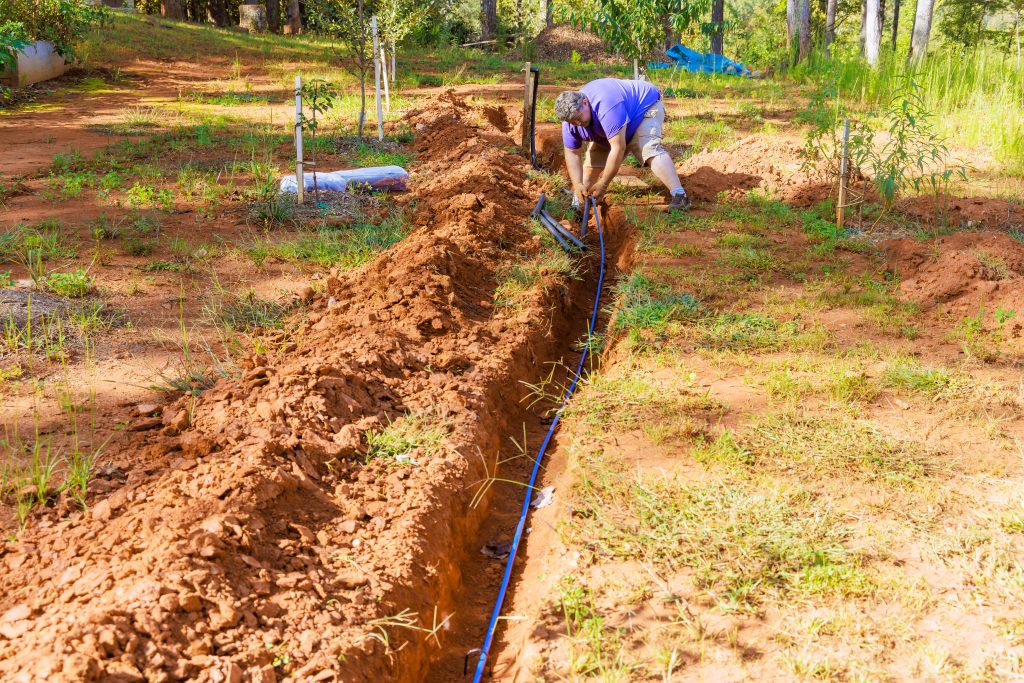
Watering may seem as easy as just turning on a hose, but any gardener knows that sometimes it just isn’t enough. The Smart PVC Watering Hack is an easy solution for getting water directly to your plants’ roots rather than just the top of the soil.
By sending water deep into the ground where plants can access it, and not where the sun can evaporate it, you waste less water and give plants access to the moisture they need for strong root growth.
Or so you thought until you look at your plant and go, leaves are sagging, roots are shallow, and the soil is splitting despite your best watering efforts.
And guess what? It’s not the amount of water you’re giving your plants that’s the problem; it’s where you’re giving that water.
Most of the water given to plants through conventional watering methods is lost to evaporation before it ever reaches the roots of the plant. This Smart PVC Deep Watering Hack solves that problem.
By applying the water directly to the roots of the plant through a vertical pipe right next to the plant, more water reaches the roots, where the plant needs it most.
This is a cheap, tool-free project that can be put together in minutes and used on trees, tomatoes, shrubs, or whatever plant you need to give some (or a lot) more love to.
Why Conventional Watering Often Fails
Before we discuss the PVC watering system in detail, it is important to understand why conventional methods of watering a garden or lawn are not as effective as they should be.
If you pour water onto your soil surface:
- The surface is moist
- The sun and heat cause evaporation
- The water seeps horizontally, not vertically
- The roots stay close to the surface
Because a plant will naturally develop roots in an area where there is an abundance of moisture. When moisture is present only in a small area of the soil, say in the top few inches, then roots will only develop in that particular area.
When roots are close to the surface, then your plant is weak and vulnerable to:
- heat
- drought
- wind
- unpredictable weather
Watering deeper into the soil promotes healthy root growth downwards. The PVC pipe system does just that. You’re not watering your lawn; you’re watering within your lawn.
How Does the PVC Pipe Watering Technique Work?
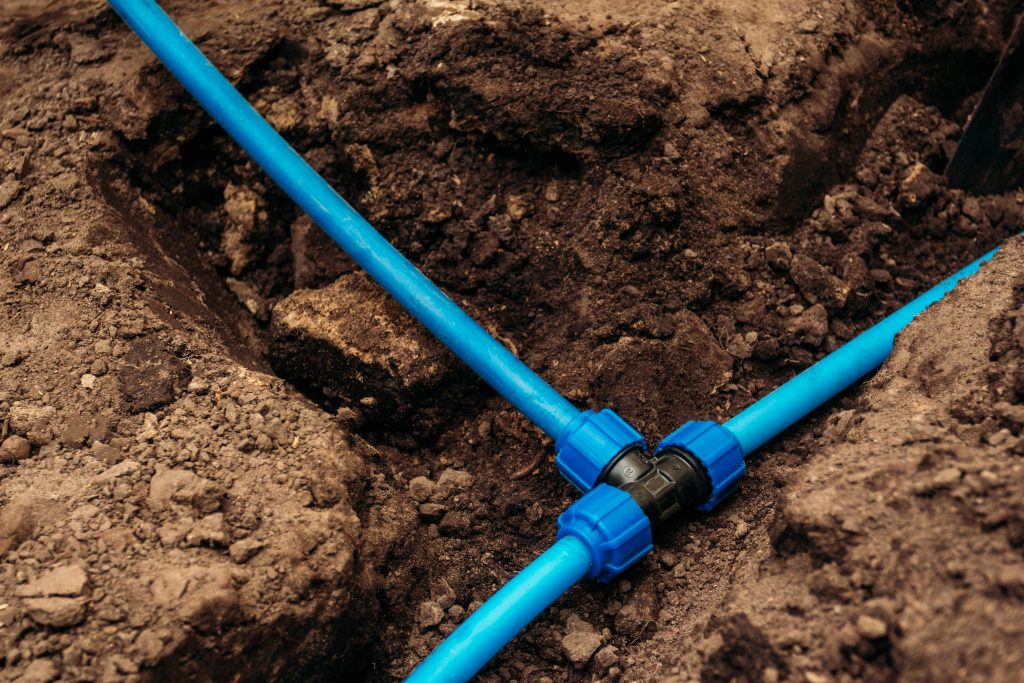
The PVC pipe watering technique is based on a simple idea of watering the roots of the plant.
This is the most effective method of watering a garden because it allows for the maximum amount of water to reach the roots of the plant while ensuring that a minimum amount is wasted.
Most of the water used for surface-level watering of a garden is wasted either through evaporation or absorption by unwanted plant life. The PVC pipe method ensures that less water is wasted.
The PVC pipe method of watering a garden consists of a PVC pipe that is buried in the soil close to the roots of a plant.
Holes are drilled in the PVC pipe to direct the water into the soil. This can be done using a horizontal PVC pipe for a row of identical plants, or a vertical PVC pipe for individual plants or a small number of identical plants.
When water is poured into the PVC pipe, it seeps into the ground and reaches deep into the soil where the roots of the plant can absorb it.
Advantages of PVC Pipes for Watering Your Garden
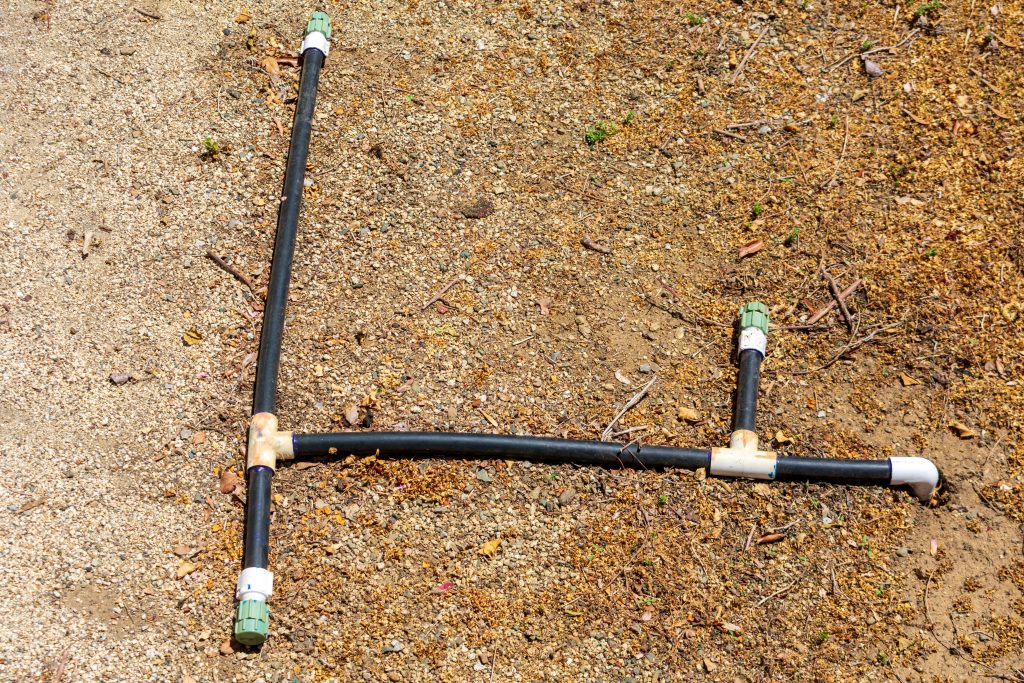
The great thing about this solution is that it’s easy. Just a small PVC pipe can make a big difference in your watering process.
Here are the main benefits most gardeners experience:
1. Water Gets to the Roots
Plants take in most of their water through deep roots, not the surface roots. The PVC solution delivers the water straight to the root zone, so your plants get consistent moisture right where they need it.
2. Less Water is Wasted
When you pour water on the surface, it often runs off or evaporates.
But with the PVC solution, the water runs straight underground, so you waste much less water. This makes it especially valuable for hot climates or areas with drought.
3. Roots Grow Strong
When you water plants at the surface, roots tend to grow that way too. With water available deep down, roots will naturally grow deep.
That means your plants will be far stronger, more drought-tolerant, and be able to stand up in the wind.
4. Fewer Weeds
Many weeds are surface weeds, meaning they grow on the top inch or two of the soil.
Because the water goes straight to the roots and doesn’t wet the surface, the weeds will get a lot less water and will be far less likely to survive.
5. Your Plants will be Healthier
Deep, consistent watering is fantastic for your plants as it will encourage strong, deep root growth. This deep root growth will take nutrients from deep in the soil up into the plant, making for much healthier plants.
Plants that Respond Best to This Watering Technique

Though this is a great watering approach for almost any plant, certain plants do particularly well with this method and are especially easy to water with a PVC pipe at their root level.
Fruit Trees
It is important to drain the water slowly when watering a fruit tree. Consistent, slow watering is important when fruit tree root systems are establishing.
Tomato Plants

Poor water distribution can lead to plant wilt and sunscald. Proper watering using a PVC pipe keeps a tomato plant healthy and evenly moist.
Landscape Shrubs and Bushes
Hydrangea, rose, lilac, etc., are some popular flowering shrubs, but they can be put off by frequent shallow watering. They thrive if continuously moist near their base.
Vegetable Garden
Pepper, cucumber, squash, and eggplant produce less fruit when improperly watered. Moist, deep soil at the plant base helps them thrive in hot weather.
A PVC Deep Watering Pipe is Easy to Build

You will be amazed at just how easy it is to make a deep watering PVC pipe in just a few short minutes. This is a great method because it does not take many materials to make it happen.
In fact, it can be done in less than 10 minutes to make a basic watering pipe.
What You Need:
- PVC pipe (approximately 1-2 inches in diameter)
- Drill
- Small-sized drill bit
- Gravel or small stones (optional)
- Saw or pipe cutter
Step 1: Measure and Cut the Pipe
Measure the PVC pipe to a suitable length for the plant that needs to be watered and cut it.
The lengths of the PVC pipes may vary depending on the type of plant that needs to be watered. The lengths may be:
- Vegetable plants: 12 to 18 inches
- Shrubs: 18 to 24 inches
- Trees: 2 to 3 feet
The goal is to reach the main root zone of the plant.
Step 2: Make Water Holes
Using the drill, small holes should be drilled in the lower 180 degrees of the pipe.
If the holes are evenly drilled, the water will leak out slowly into the soil. The holes should be drilled every 6 to 8 inches.
Step 3: You Can Also Add Gravel
Inside your pipe, you can add a small layer of gravel if you wish.
It will help to prevent soil from entering the pipe and help distribute the water a little.
Just a small amount at the bottom will be enough.
Step 4: Place Pipe by Plant
Next to your plant, dig a hole deep enough to hold the pipe.
Place the pipe vertically with the bottom of the pipe in the root zone of the plant and the top of the pipe slightly above the surface so you can pour the water in.
Carefully fill the soil back in around the pipe and pack it slightly to hold the pipe in place.
Step 5: Start Watering
To water the plant, simply pour the water straight down the pipe.
The water will slowly seep into the soil and down to the roots via the holes you made.
How Frequently Should You Water with PVC Pipes?

The frequency at which you will have to water your plants depends upon many factors, such as:
- climate
- type of plant
- soil
- season
But with this system, most gardeners notice that they don’t have to water as often.
Since the water seeps deep into the soil/mulch, more water stays down where the roots need it and is not lost in evaporation.
Here are some averages:
- Vegetables may need deep-watering every 2-4 days in summer heat.
- Trees might get enough from 1 deep watering a week + natural rainfall.
Improving the System Further

Once you have set up your system, you may also want to consider the following to improve your system:
Install a Funnel
This facilitates the process of pouring water into a small pipe.
Cap or Screen
This prevents insects and dirt from entering the pipe.
Use in Conjunction with Mulch
This mulch ensures that the soil is moist at all times and reduces evaporation.
More Pipes
For bigger plants or trees, consider using 2 or 3 pipes across the root zone.
Simple Errors to Steer Clear Of

While the process is simple, there are a number of common blunders that can totally ruin the process.
1. Placing the Tube Near the Plant Incorrectly
Placing the tube too near the stem of the plant can be risky for the roots.
It is important to maintain a space of 6-10 inches from the base of the plant.
2. Opting for Tubes of the Wrong Size
If the tube is not the right size, then water will not be able to reach the roots.
It is important to ensure that the tube is the right length in comparison to the depth of the roots of the plant.
3. Making the Holes Too Big
When the holes are too big, water comes out too fast.
When the holes are too small, there is a slow seepage of water.
4. Overlooking the Type of Soil You Have
Clay soil has a higher capacity to retain water in comparison to sand, which allows water to pass through easily.
It is important to research and make the necessary changes in the amount of water according to the type of soil.
A Personal Experience Sharing about the Benefits of Deep Watering

The first time I used this technique was in a bed of tomato plants where the soil dried out too quickly.
Despite how much I watered these tomato plants, they seemed to suffer in the heat of the summer. While the surface of the soil seemed to drink in all the water I gave it, just an inch or two beneath that surface, the soil was as dry as bone.
So I put a pair of PVC pipes right next to the tomato plants and began pouring water into those.
The results were quite astonishing.
After a couple of weeks, the tomato plants really started to look healthier. The leaves did not droop in the afternoon sun, and the tomato crop was much higher.
But the most astonishing part of the whole operation was the fact that I did not have to use as much water as I did before. Instead of watering every day, I could put water into the pipes every couple of days.
It was a small thing, but a thing that completely changed how I think about watering the garden.
Could This PVC Watering System Replace Your Entire Drip Irrigation Set-Up?

While a PVC watering system isn’t going to replace your current drip irrigation system entirely for larger projects, it’s a powerful alternative to have in your garden tool belt for small gardens.
Drip irrigation often risks becoming a tangled mess of hoses, emitters, pressure regulators, and the yearly maintenance and storage that comes with them.
While a PVC watering system isn’t going to replace your entire drip system, it will certainly replace parts of it.
Creative Uses of PVC Watering Pipes by Gardeners
Gardeners are very innovative in using these simple pipes in various ways. They did so by installing pipes in the raised beds, and created special deep watering tubes with the help of pipes for newly-planted trees.
These pipes can also be installed inside the ground, which helps in watering new plants as well as acts as a warning system for large containers. In orchards, these pipes can be attached underground, too.
The basic concept remains the same, i.e., watering the roots directly with maximum efficiency. Once you understand the basic concept, you can use it with almost any of your garden’s watering needs.
Concluding Thoughts
Simplest things in life often make the most sense, and this is no exception for gardening. Using a PVC watering pipe is an exemplary idea that is simple, easy to implement, and incredibly effective.
All it takes is a small pipe with a few holes in it to drastically reduce your water waste and ensure your plants are getting precisely the amount of water they need. This eventually results in better yields as plants have strengthened root systems.
The best part is, you will not have to do much as there will be reduced maintenance for your moisture beds. Just try this, and you will never think of overwatering your pots and wetting the foliage rather than the roots.