
Not all gardens require TLC. In fact, some of the best gardens are created using hardy garden plants that thrive in poor conditions. Poor soil. Unpredictable watering. Full sun. Wind. Heat.
If you’ve ever felt like you “don’t have a green thumb,” this is the type of gardening that will help you out.
The neglect-proof garden is centered around drought-resistant vegetables, hardy perennials, and low-water plants that won’t fall over when you forget to water them one day.
Hardy garden plants are perfect for new gardeners, busy families, and anyone who’s tired of high-maintenance gardening.
It’s not laziness. It’s common sense.
The Year I Gave Up on Babysitting My Garden
A few years ago, I realized I’d had enough of babying my garden. I’d been poking at the dirt every day, adjusting the watering schedule, and still, I’d lose plants every time we had a heat wave. It was like their very survival was up to me.
But one particularly hot summer, I had no choice but to cut ties. I simply didn’t have the time to water every day. But then something strange occurred: the plants that survived were the ones I’d hardly noticed at all.
The rosemary didn’t flinch. The sedum thrived. The yarrow went and bloomed its pretty head off.
It was that year that I learned to garden differently. Rather than trying to will plants to behave, I now seek out the ones that can handle themselves. The whole garden is the better for it. And, I like to think, so am I.
What Is a Resilient, Neglect-Proof Garden?
A resilient garden consists of plants that:
- Flourish in poor or average soil
- Can go a while between drinks
- Shrug off the usual insect pests and diseases
- Come back every season with little coaxing
- Endure heat and periods of drought
A resilient garden doesn’t guarantee you’ll never lift a trowel or drip a bead of sweat, but the chores will be few and easy.
How Climate-Resilient Plants Assist You in Saving Time and Money

The usual advice for gardening is based on the assumption that you have:
- Optimal soil
- Rainfall
- Fertilization
- Constant observation
But the truth is that most gardens lack optimal conditions.
With hardy garden plants, you can reduce:
- Water consumption and bills
- Fertilizer outlays
- Trips to buy replacement plants
- Analysis of problematic plants
1. Rosemary (Rosmarinus officinalis)
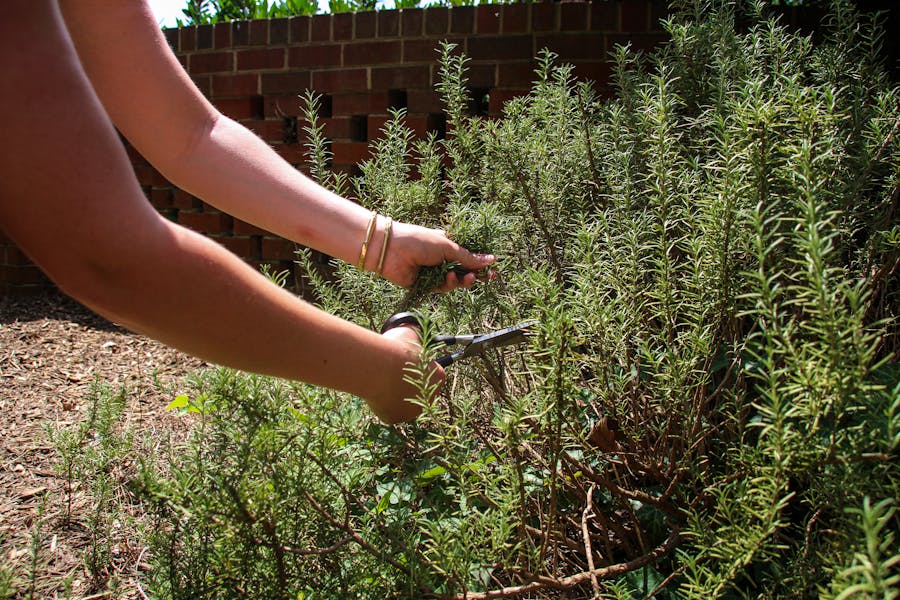
Why It Does Well When You Forget About It
Rosemary is one of the most drought-tolerant plants you can grow, and among the easiest vegetables and herbs to grow. A Mediterranean native, it wants:
- Lean soil
- Full sun
- Dry soil
- Infrequent fertilizer
Too much water is the number one reason rosemary dies.
Once it has had a season to get established, rosemary can generally tolerate long dry periods and even light frost in many areas.
Beginner’s Edge
Rosemary is a plant that is remarkably easy to grow for people who have a brown thumb. Forgot to water it? No problem. Soil too rich? It prefers poor soil.
Plant it in well-draining soil and take care not to overwater.
My Lesson: Stop Overwatering
When I first started attempting to grow herbs, I killed almost every rosemary plant I brought home. I mistakenly thought that plenty of water was good for all plants.
Instead of growing well, the plant grew dull, and the stems became weak.
Finally, in desperation, I stuck one in a dry, nearly neglected area of the yard and forgot about it for weeks. The plant looked much better.
I learned a valuable lesson: Some plants don’t need to be saved. They need to be left alone.
2. Kale (Especially Lacinato or Curly Varieties)
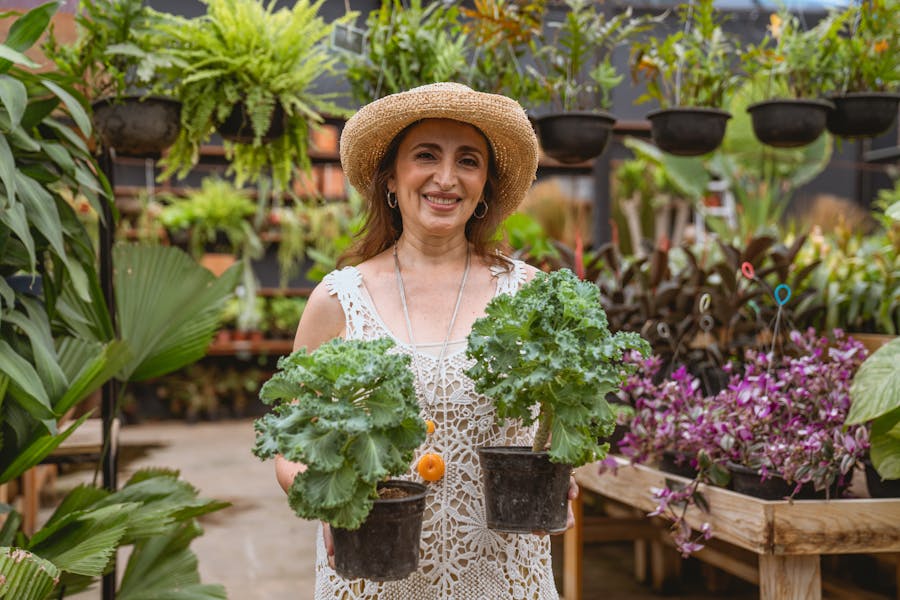
What Makes it Tough:
Kale is one of the most drought-tolerant vegetables once it gets going. Additionally, it can handle:
- Heat
- Cold
- Poor soil
- Irregular watering
While it prefers more typical growing conditions and can really thrive in them, it can handle its sun or its shade and is much more flexible than most lettuce.
Bonus:
Kale can be harvested through most of the summer and into winter; it only stops producing leaves in the bleakest part of the period.
It also gets huge, meaning you’ll be able to keep harvesting from it all season long, even if pests or weather get to some leaves.
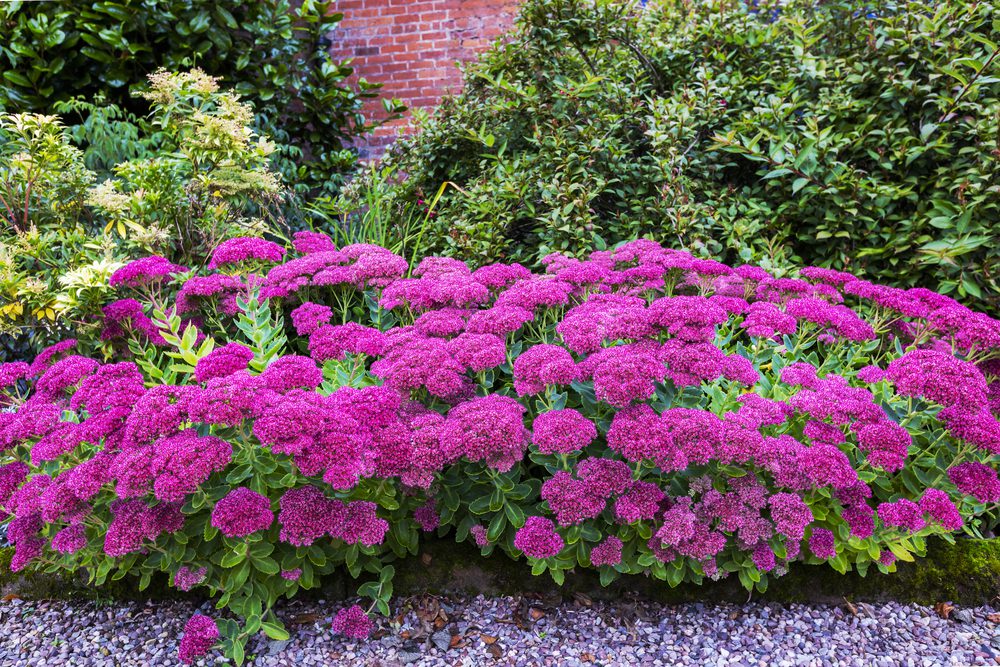
3. Sedum (Stonecrop)
What Makes it Undeniably Strong?
Sedum is accustomed to being left unattended.
It:
- Stores water in its leaves
- Can go without much soil at all
- Thrives in full, intense sun
- Will spread with no coaxing
Perfect for rock gardens, edging, and rain gardens.
Why Do Beginners Like to Start Here?
Sedum doesn’t need to be fed. You can forget to water it. It grows purposefully, without any surprises.
There’s no easier way to establish a tough garden.
The Plant That Reliably Cures an Eyesore
I had this patch of ground by a walkway that seemed specifically designed to discourage plants from growing there.
There wasn’t enough soil to make it worth the effort, and the soil that was there got hotter than seemed possible in the afternoon sun. I decided to try sedum.
Sure enough, in about a year, that was one of the first areas of the garden I no longer worried about.
I couldn’t water there without standing guard over it, so I didn’t. And I surely didn’t spend any money on fertilizer. I just watched the sedum go to work.
That’s when I first realized that tough gardening shouldn’t be about making the best of a bad situation. It should be about finding the right plants that don’t care how bad the situation is.
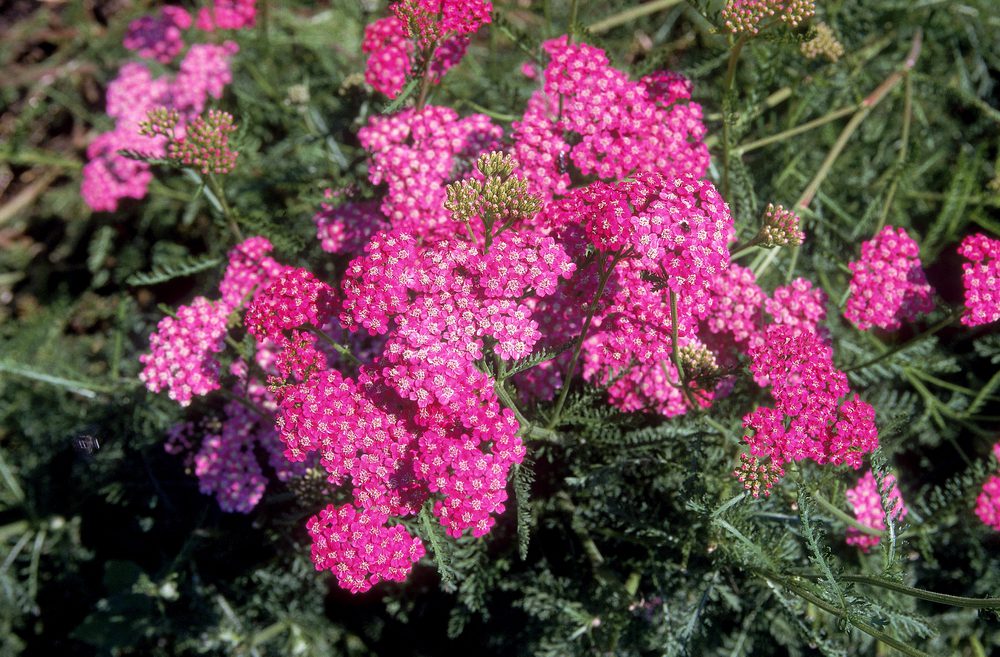
4. Yarrow (Achillea)
Why It’s One of the Toughest Hardy Garden Plants
Yarrow is the type of plant that grows well in areas where other plants would struggle. It naturally grows in dry grasslands and open meadows, which means it has adapted to withstand extreme sunlight, poor soil, and periods of drought.
It can:
- Withstand drought
- Grow in poor, sandy, or rocky soil
- Withstand high temperatures
- Withstand wind
- Receive little fertilizer
In fact, too much fertilizer will cause it to grow weak stems that will flop over. Yarrow plants are happy with medium conditions.
Its extensive root system enables it to tap into water deep beneath the soil’s surface, making it a great choice for water-conserving gardens and drought-tolerant landscaping.
Long-Term Care
After it is established, yarrow grows in masses that naturally crowd out weeds. It needs nothing more than:
- Occasional removal of spent blooms to prolong flowering
- Annual cutting back
- Occasional division if it spreads too quickly
It rarely needs additional watering beyond the first year.
Why It’s Great for Gardening Beginners
Yarrow is low-maintenance. Skip a watering or forget to fertilize a yarrow plant, and it won’t hold it against you.
Yarrow tolerates poor soil and varying temperature conditions.
5. Swiss Chard

A Hardy Veggie That Keeps On Giving
While Swiss chard is not commonly mentioned in discussions about drought-resistant veggies, it is actually quite stress-resistant.
Compared to more sensitive leafy greens like lettuce, Swiss chard:
- Withstands high temperatures without bolting too quickly
- Can withstand light frosts
- Continues to produce new leaves when picked properly
- Is not particular about the average soil quality
Its sturdy stalks and thick leaves make it more drought-tolerant than most garden veggies for short periods of time.
Water Conservation Method
While Swiss chard prefers to be kept moist, it won’t go down without a fight at the first sign of water deprivation. It can thrive with deep watering once or twice a week.
Mulching around the base will also conserve water by preventing evaporation. This is a great option for gardeners who want to cut back on water consumption but still want to harvest something.
Why It’s Great for Beginners
Swiss chard is a great addition to any garden because it provides both aesthetic appeal and a harvestable crop.
This is a great benefit for gardeners who are just starting out. You can see immediate results. It will also still produce even if it’s not cared for properly.
6. Lavender

Thrives on Neglect
Lavender is the king of tough garden plants. Hailing from the arid Mediterranean, lavender:
- Bathes in full sun
- Thrives in sandy, fast-draining dirt of low fertility
- Appreciates low humidity
- Happily suffers through life’s indignities with minimal water
For lavender, drier conditions are preferred. In fact, when potted, it is often easier to keep a lavender plant alive through the winter in wetter northern climates.
Benefits of Low-Water Landscaping
Lavender is the perfect plant in borders, along pathways, as a groundcover, or for foundation plantings where water is scarce.
It stays low and fills in enough to choke out most weeds; its leaves are semi-evergreen most years, and from late spring to early fall, it will hum with pollinators.
Once established, lavender may only need a drink during the most prolonged drought. Some locations get enough rainfall on their own.
Easy Maintenance
Keep lavender looking right by:
- Cutting it back after the flowers fade
- Skipping the heavy feedings
- Making sure the soil pitches sharply away from the roots
It fits the profile of that garden plant you seek: beautiful, tough. and self-sufficient.
7. Zucchini

More Drought-Resistant Than You’d Think
Zucchini isn’t the first vegetable that comes to mind when you think of drought-tolerant plants, but it exhibits several drought resistance components:
- Large, fast-growing leaves quickly shade roots and soil
- Moderate water stress is tolerated due to the rapid growth habit
- Extensive root system
- Produces well, even in less-than-ideal conditions
While zucchini performs best in consistently moist soil, a few days without irrigation will not phase the plant in the way it could a stress-intolerant lettuce crop.
Natural Mulching
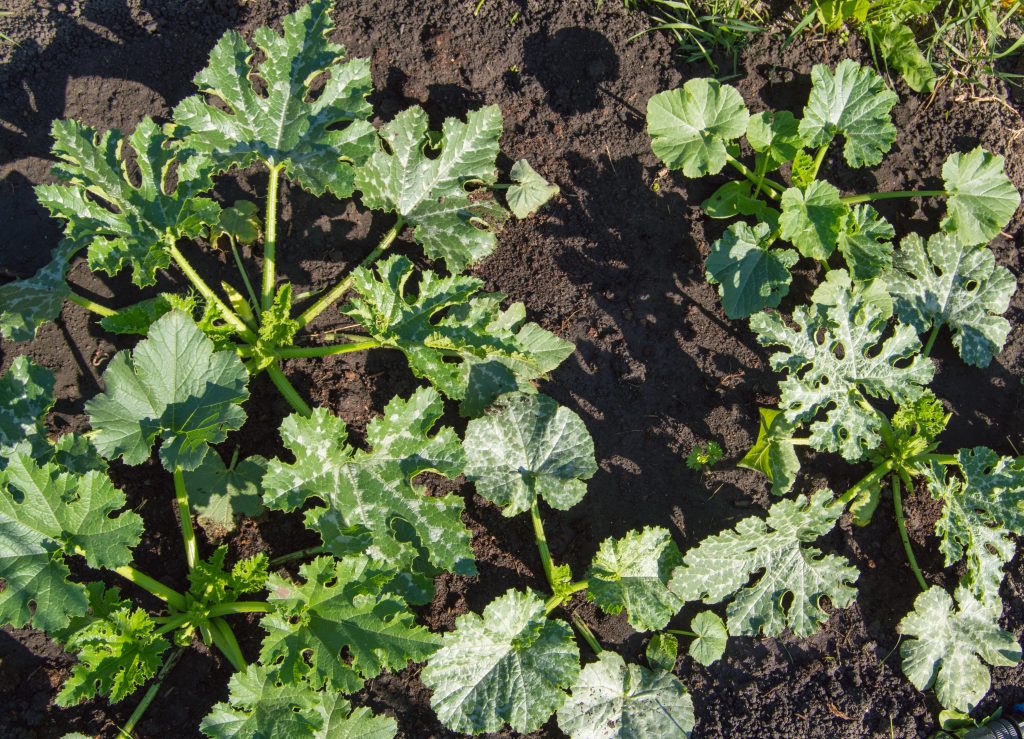
The wide leaves of the zucchini plant create a dense leafy canopy that blocks sunlight from the soil surface. This minimizes weed competition and also shades the roots of the plant to preserve soil moisture.
These functions make zucchinis not just a source of food, but also a valuable living mulch in the garden.
Perfect for New Gardeners
Zucchini is a very rewarding plant to grow.
Depending on the variety, zucchinis can be ready to harvest in 45-55 days from planting. They are also very forgiving plants in that even with suboptimal care (like irregular watering or lack of fertilizing), you will still be harvesting more crop than you can use.
The fast growth rate and high productivity of zucchini also make it an excellent choice for new gardeners looking to build their confidence.
How to Create a Garden You Can Ignore

Just acquiring tough plants won’t suffice. It’s the layout that counts.
1. Opt for Drainage Over Fertility
Many tough garden plants perform best in poorer soils.
2. Plant by Thirst
Put veg with attitude and low-water plants in the same bed, or you’ll be overwatering one and under-watering the other.
3. Water Deeper, Not More Often
Roots follow the water, so give them a reason to extend down for it.
4. Mulch for Moisture… Then Stop
Mulch helps keep things moist in the first season.
Errors in Low-Water Landscaping to Avoid
- Watering too much drought-resistant plants
- Applying excessive fertilizer
- Picking the wrong plants for your weather
- Disregarding the importance of good drainage
- Wanting them to be instantly mature
Tough plants still need to become fully neglect-proof.
The Moment I Trusted My Garden

The most difficult part of fostering a neglect-proof garden wasn’t selecting low-maintenance garden plants. It was trusting them.
It’s tempting to step in when you notice a few wilted leaves or spindly growth. But I’ve trained myself to wait it out. Many tough plants will bounce back after a little time or a bit of rain.
I’ve saved countless hours, gallons of water, and probably a few plants by simply giving my garden room to be itself.
I Will Always Keep a Resilient Core
Even with the new plants I play with now, I make sure that my garden has a foundation of climate-resilient ones. Rosemary, yarrow, sedum, lavender – they are the heavy hitters.
If and when a pretty little thing throws in the towel, the garden still looks full. Full. And full of life. And on purpose.
This is what makes gardening work for me in the long run. Not a perfect garden. Not constant effort. Just the right plants that don’t need me much to thrive.
The Reason This Works for New Gardeners
Starting a garden can be a lot like failing because of the wrong plants that are initially used.
Use hard garden plants, and the initial successes will propel you forward.
Avoid the ridiculous cycle of buying plants, trying, and then watching them die.
Instead of starting over every year, you can spiral forward as you build a solid core.
Gardening becomes easier, not harder.
A resilient garden is not a lazy garden. It’s an educated garden.
You pick plants that thrive when they are not coddled – the plants that are excellent at adapting to what is dished out to them (heat, dryness, rocky soil) and then let them adapt.